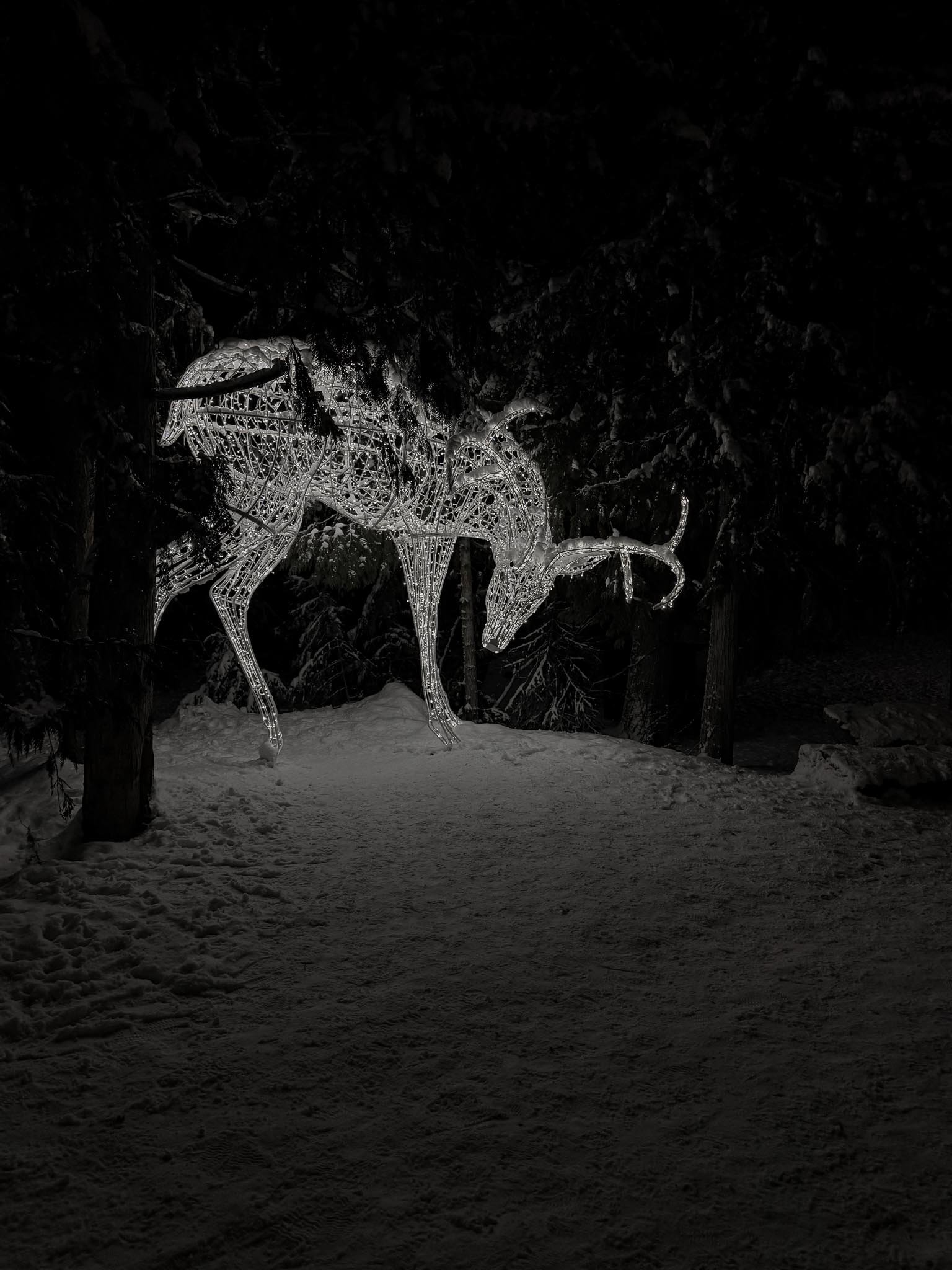
A Study in Stillness, Seasonal Living & Creative Renewal
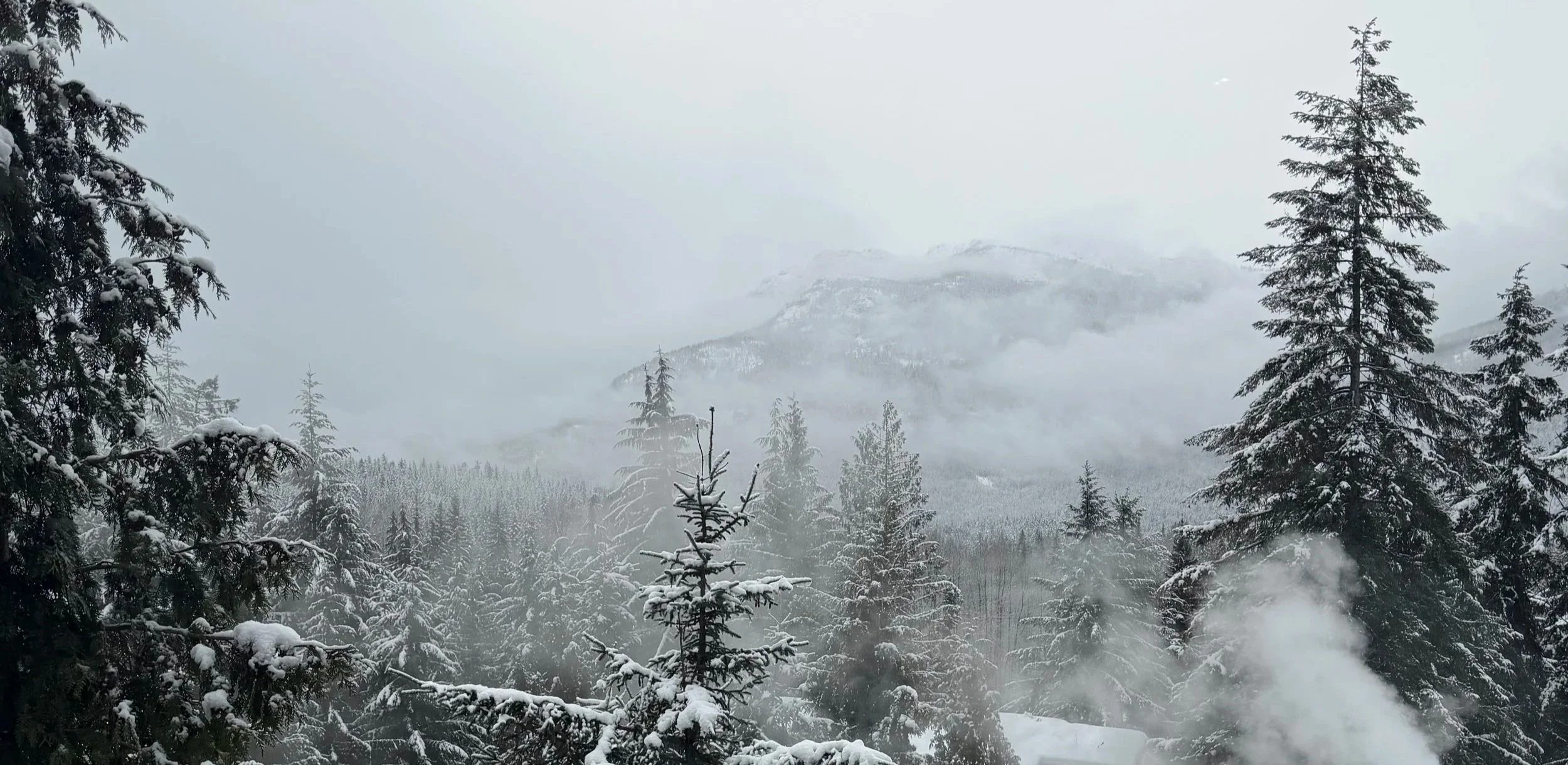
This visit was unusual for me.
Until now, every experience I’ve had in Whistler has been framed around skiing or snowboarding — movement, speed, performance, momentum. This time, I arrived with no intention of doing either. Instead, I wanted to experience the mountain as a place for living: for ritual, rest, reflection, and creative renewal.
What emerged was a completely different relationship with Whistler — one that revealed the village and its surroundings not as an extreme destination, but as an extraordinary environment for slow travel, wellbeing, and intentional seasonal living. This piece documents that quieter version of the mountain.
I was based at Hilton Whistler Resort & Spa, which quietly shaped the rhythm of the week — allowing days to unfold without friction, supporting a slower pace of movement between village life and private stillness, and making space for the kind of presence this experience required.
Rituals & Routine
Yogacara — A Beginning in Stillness
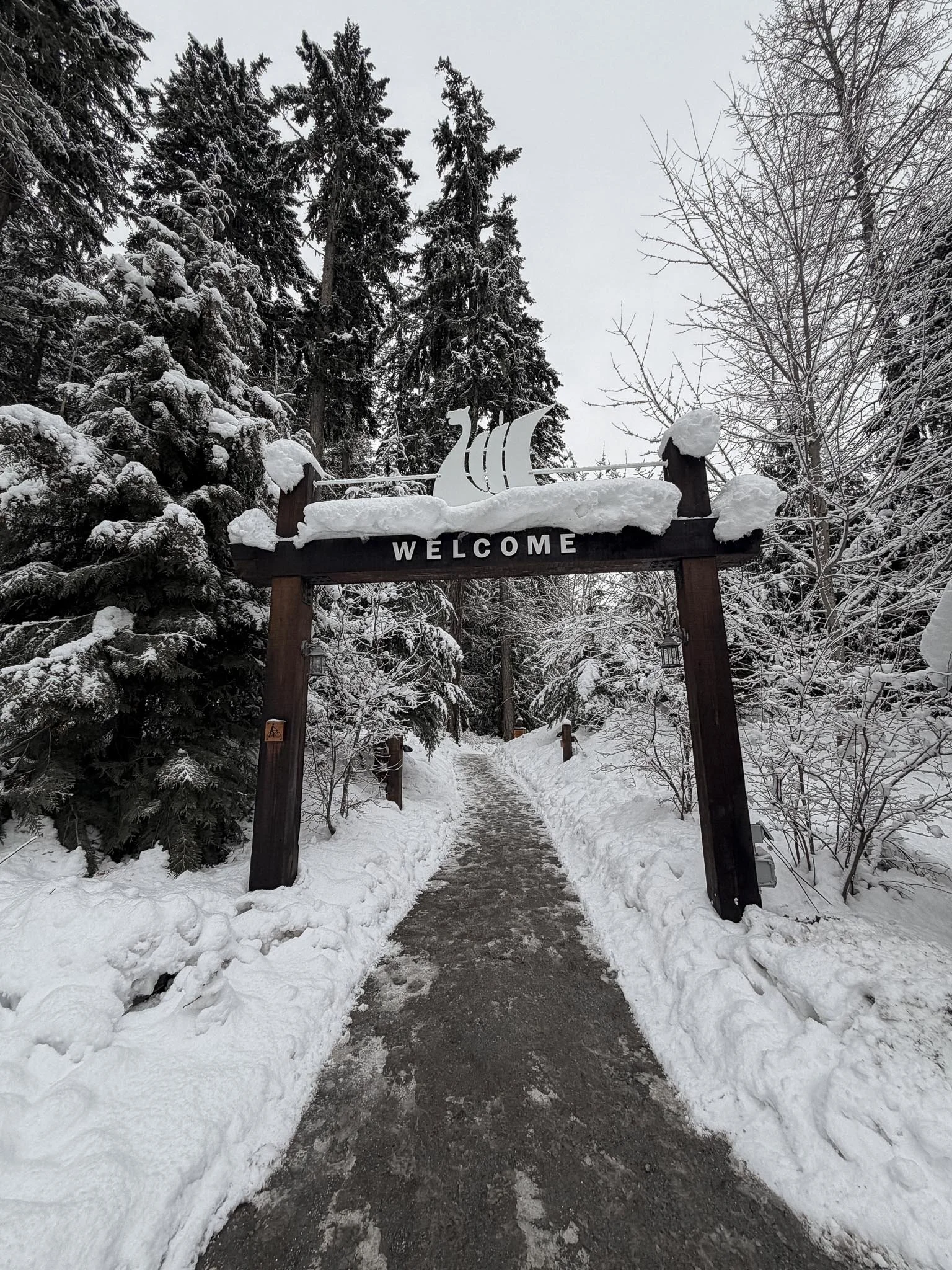
It was already dark when I walked through the village from Hilton Whistler toward Yogacara, the snow softening the edges of the evening and the air carrying that hushed quality unique to winter nights in the mountains.
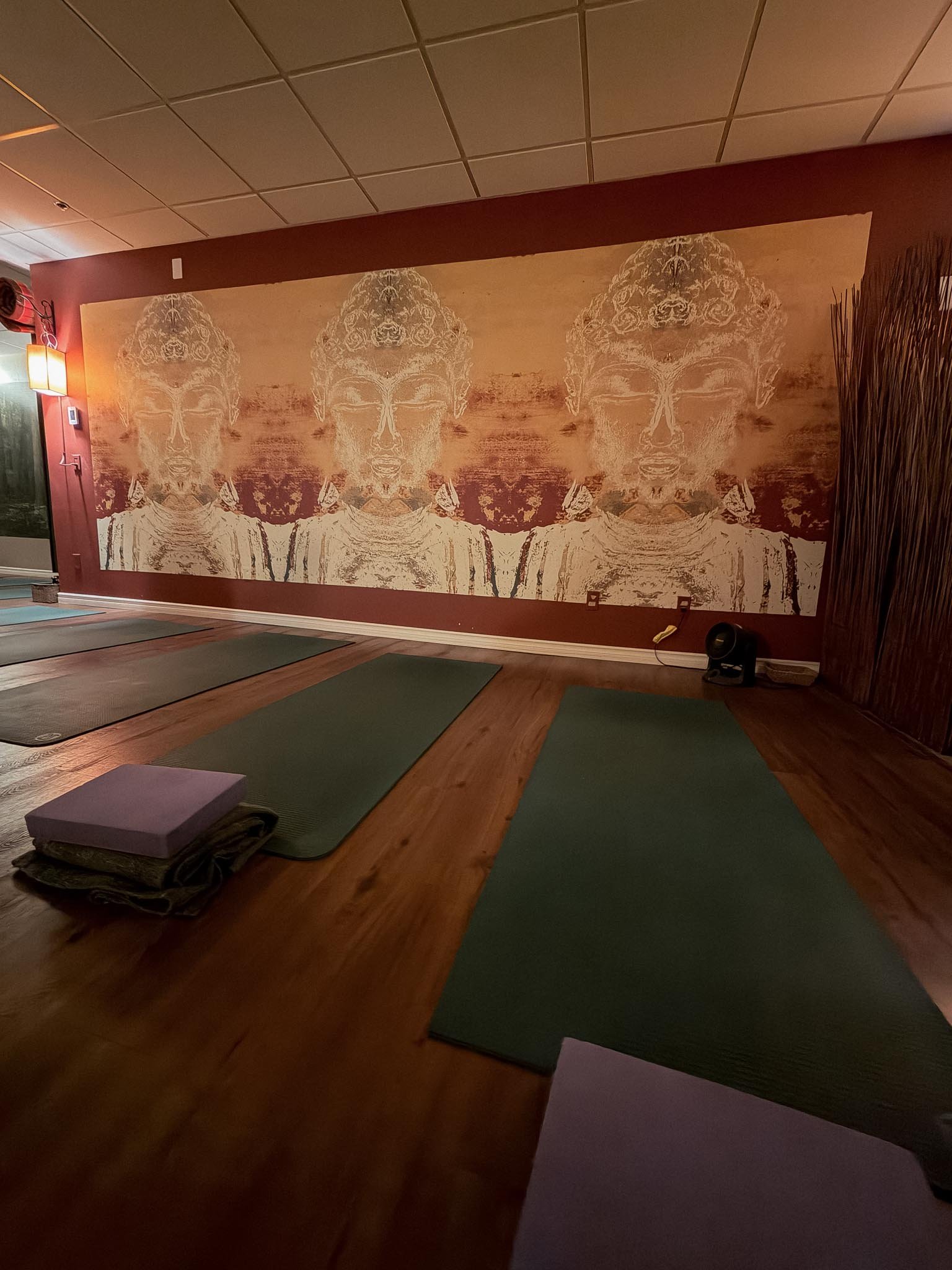
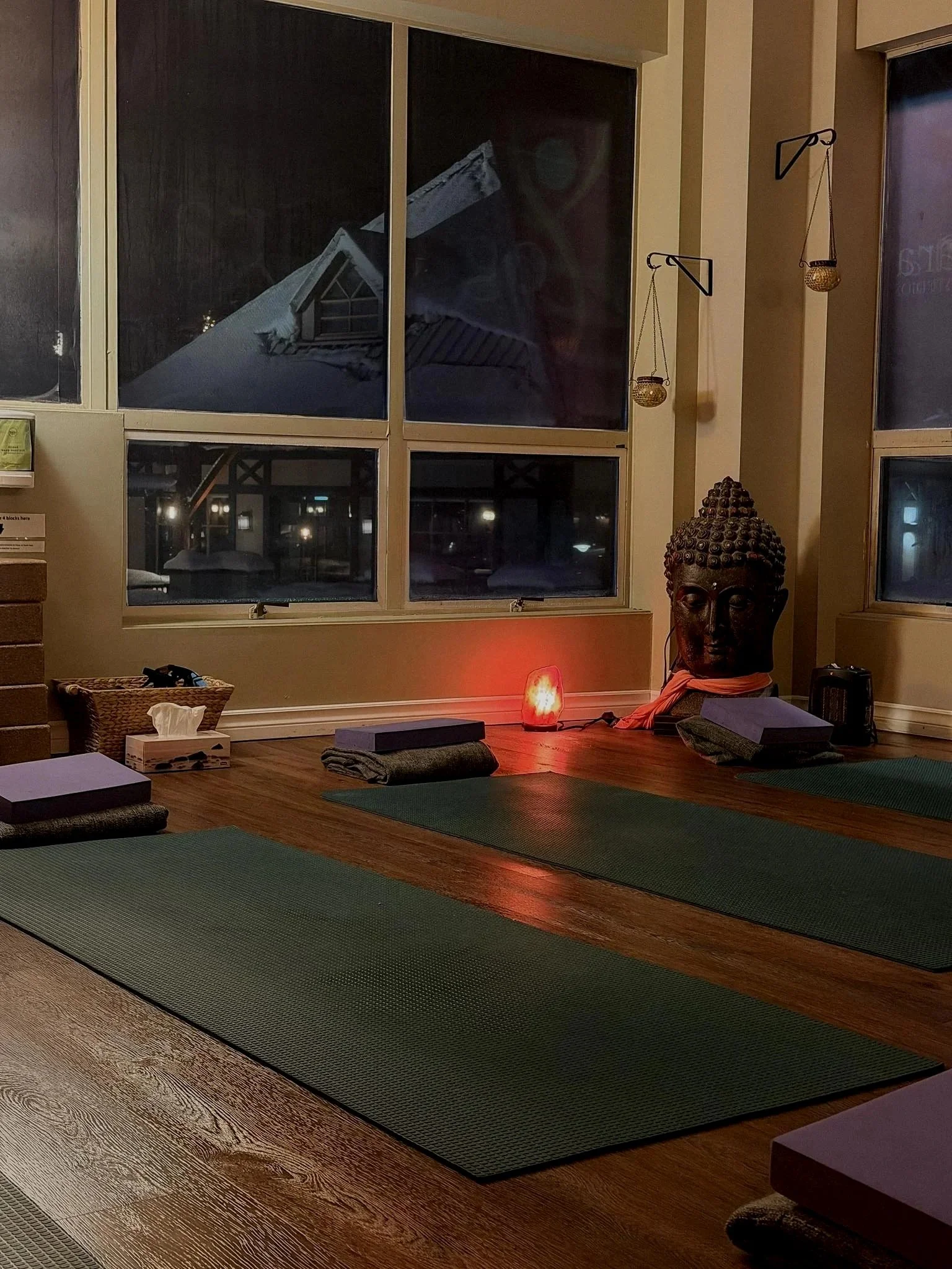
Inside the studio, warmth gathered immediately. I joined a 75-minute Gentle Hatha + Restorative class led by Emily — the owner and founder — an intimate, quietly held space that became the perfect way to open a week devoted to slowing down.
The windows looked out across rooftops strung with delicate fairy lights, snow flurries drifting steadily past as we moved and breathed. The practice itself was gentle and grounding, releasing tension without urgency, allowing stillness to arrive naturally.
It was one of those rare alignments — place, timing, atmosphere, and body settling into the same rhythm. The kind of moment that cannot be created by force, only received.
Scandinave Spa — The Long Work of Quieting the Mind
Later in the week, I spent a full day at Scandinave Spa Whistler, set deep within the forest — beautiful, calm, and demanding in the best way.
The thermal cycle unfolded again and again: fifteen minutes of heat, one to two minutes of cold, followed by rest. Steam room. Sauna. Heated pool. Then either the cold plunge or the waterfall. Afterward, rest — in the solarium, in a hammock, or seated beside a fire, indoors or out.
All in silence.
No phones. No conversation. Only being.
What once took an hour — perhaps ninety minutes — took nearly six.
My mind resisted the quiet at first. As soon as one thought dissolved, another would surface: tasks, confirmations, lists, open loops. I paused for tea. For coffee. For food. Then returned again to the circuit. Slowly, with patience, the layers of noise began to fall away. When true quiet finally arrived, it felt earned.
Hilton Whistler kindly arranged transport to and from the spa, which allowed the entire experience to remain restorative rather than logistically heavy — a small detail that mattered more than expected.
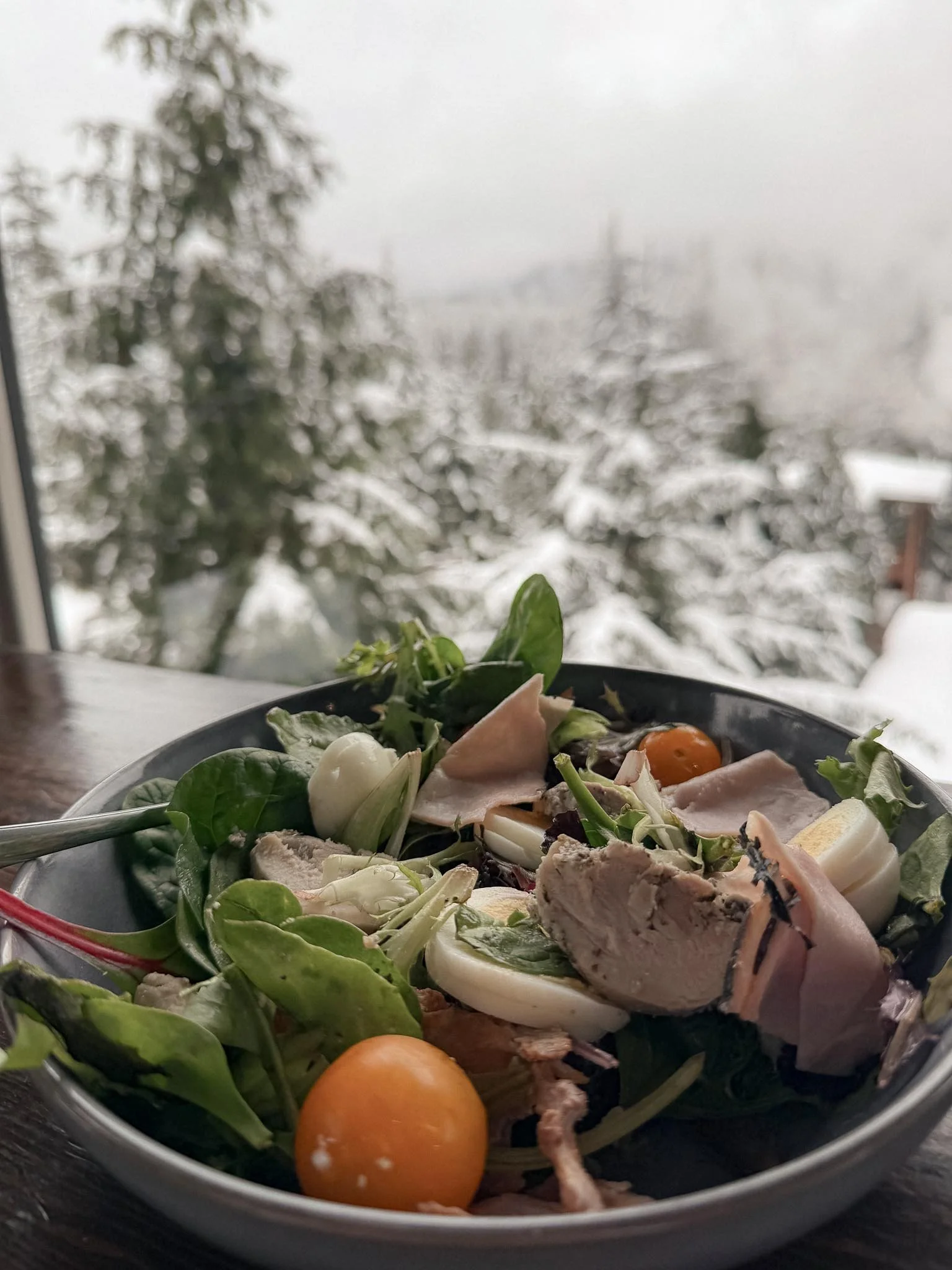
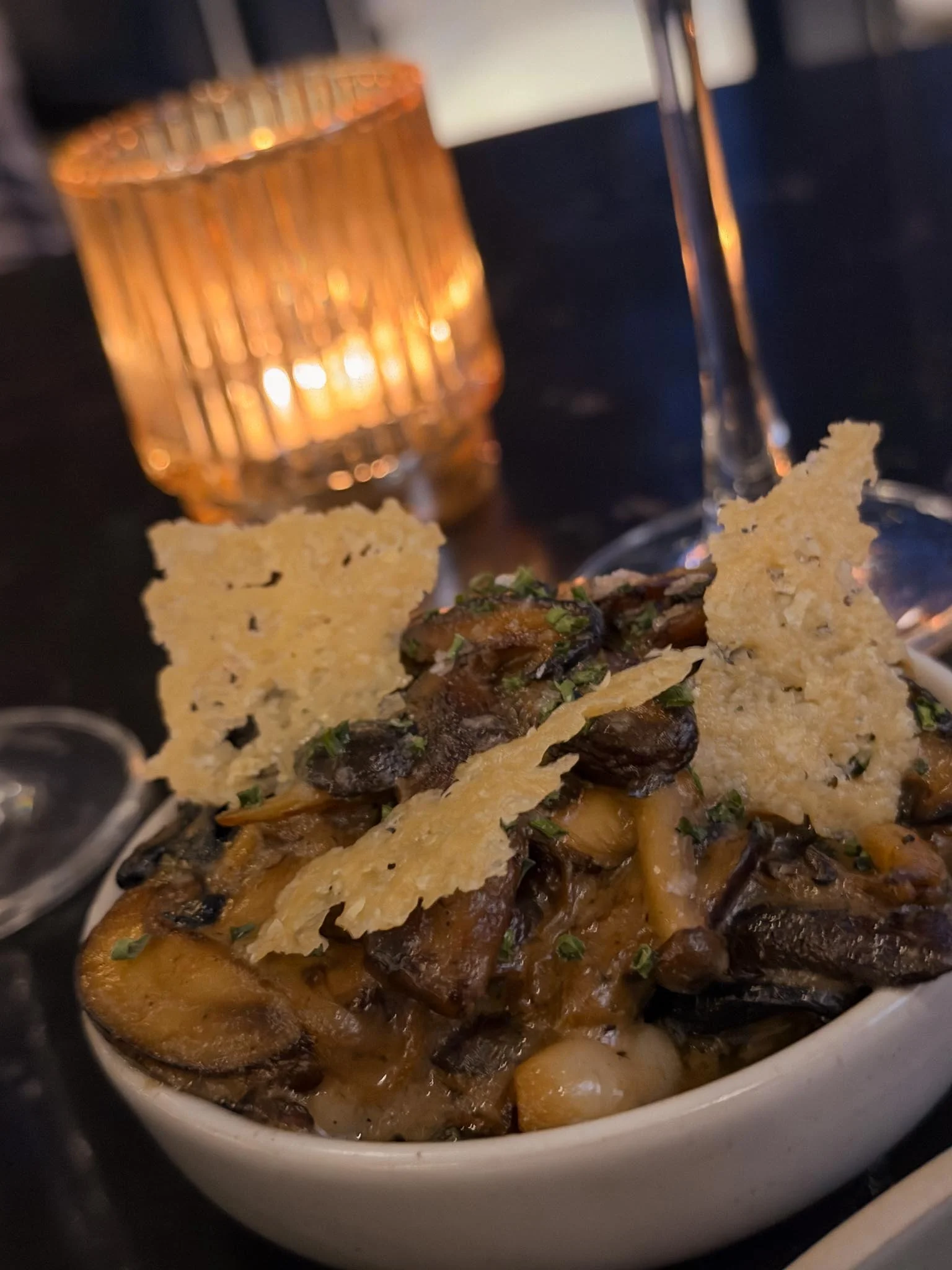
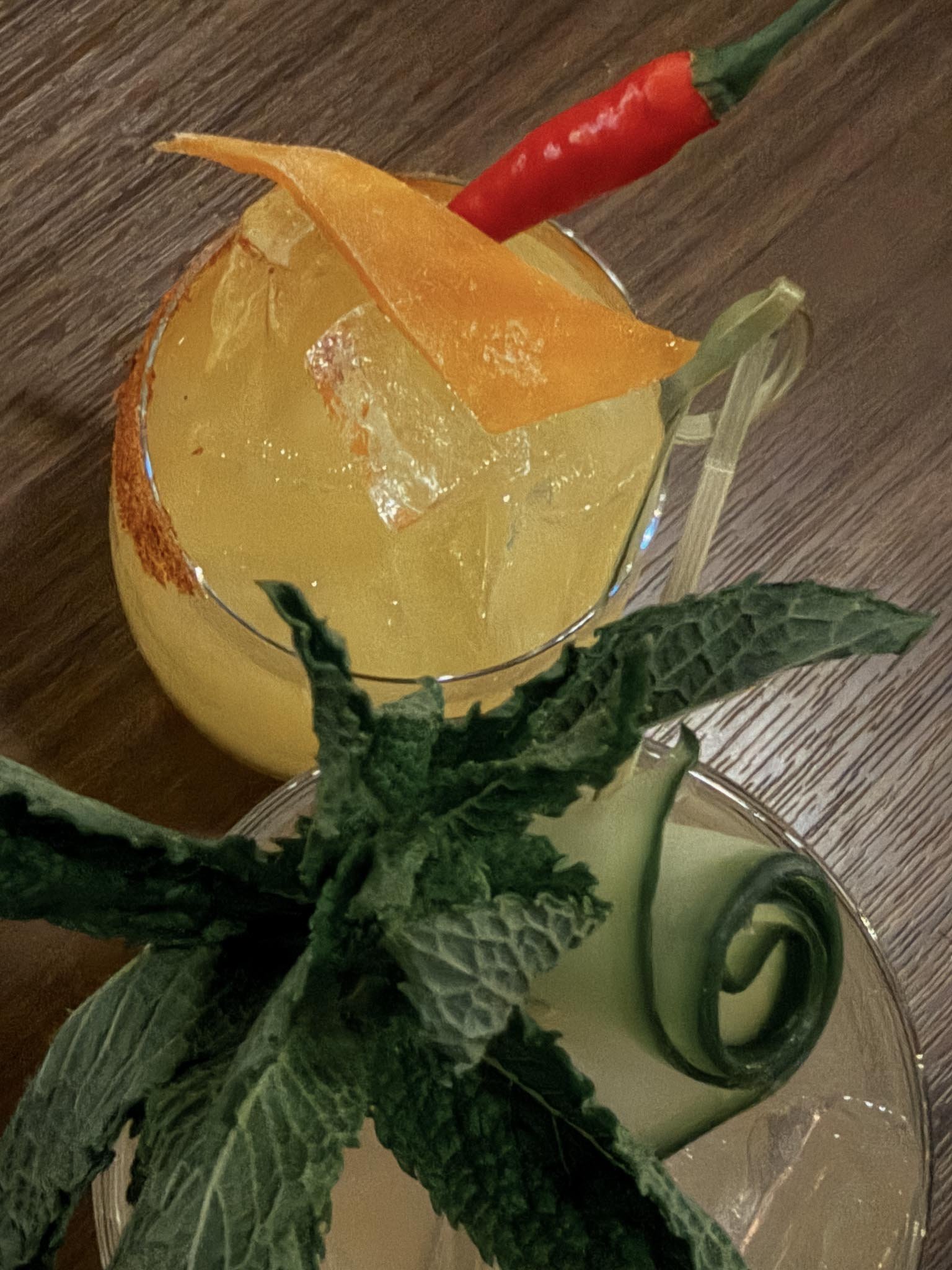
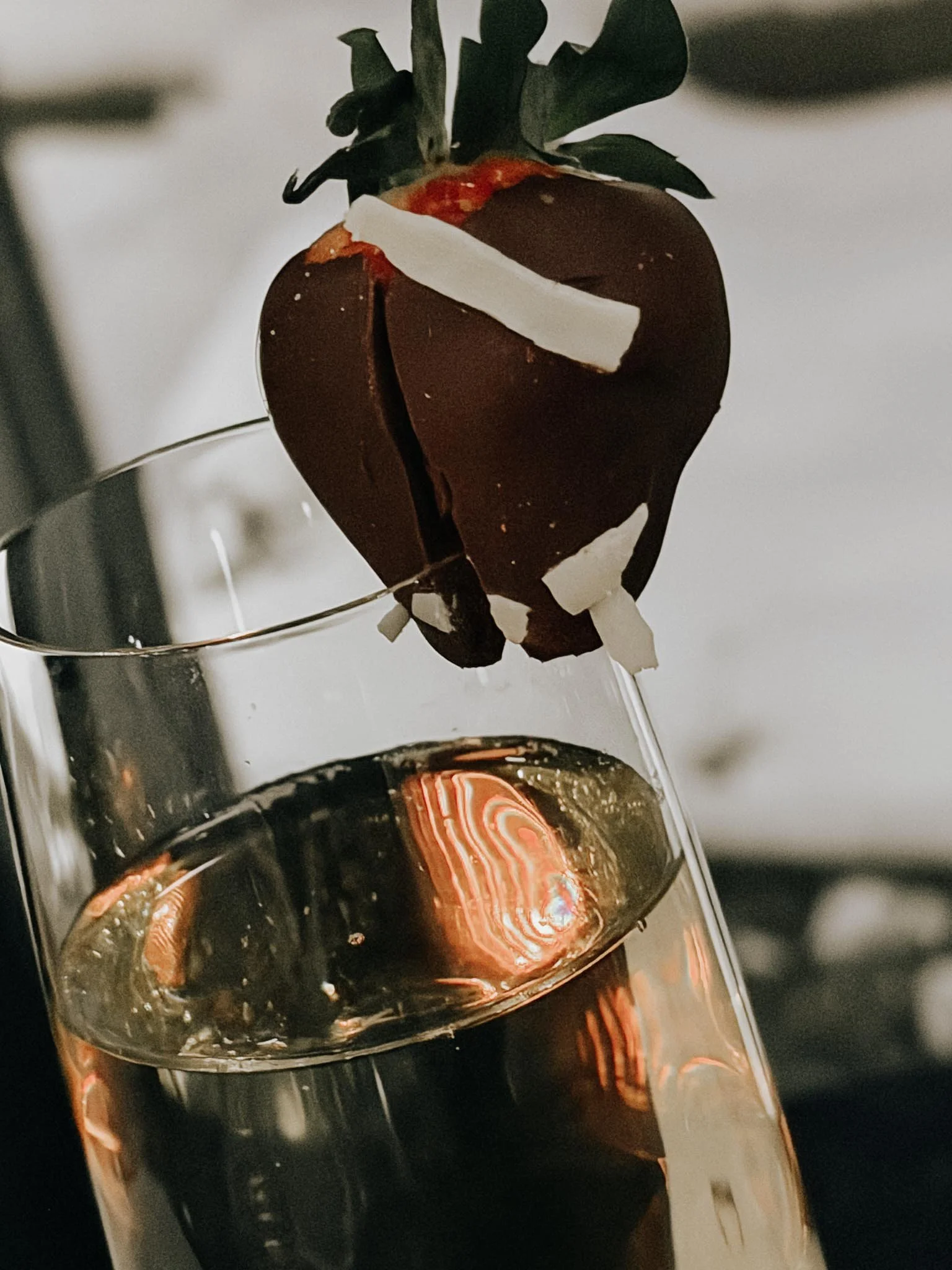
That evening, I returned for an exceptional dinner, dessert, and cocktail at their newly renovated restaurant Cinnamon Bear, its atmosphere alive with both hotel guests and locals — a warm, social contrast to the deep silence of the day.
Spaces & Atmosphere
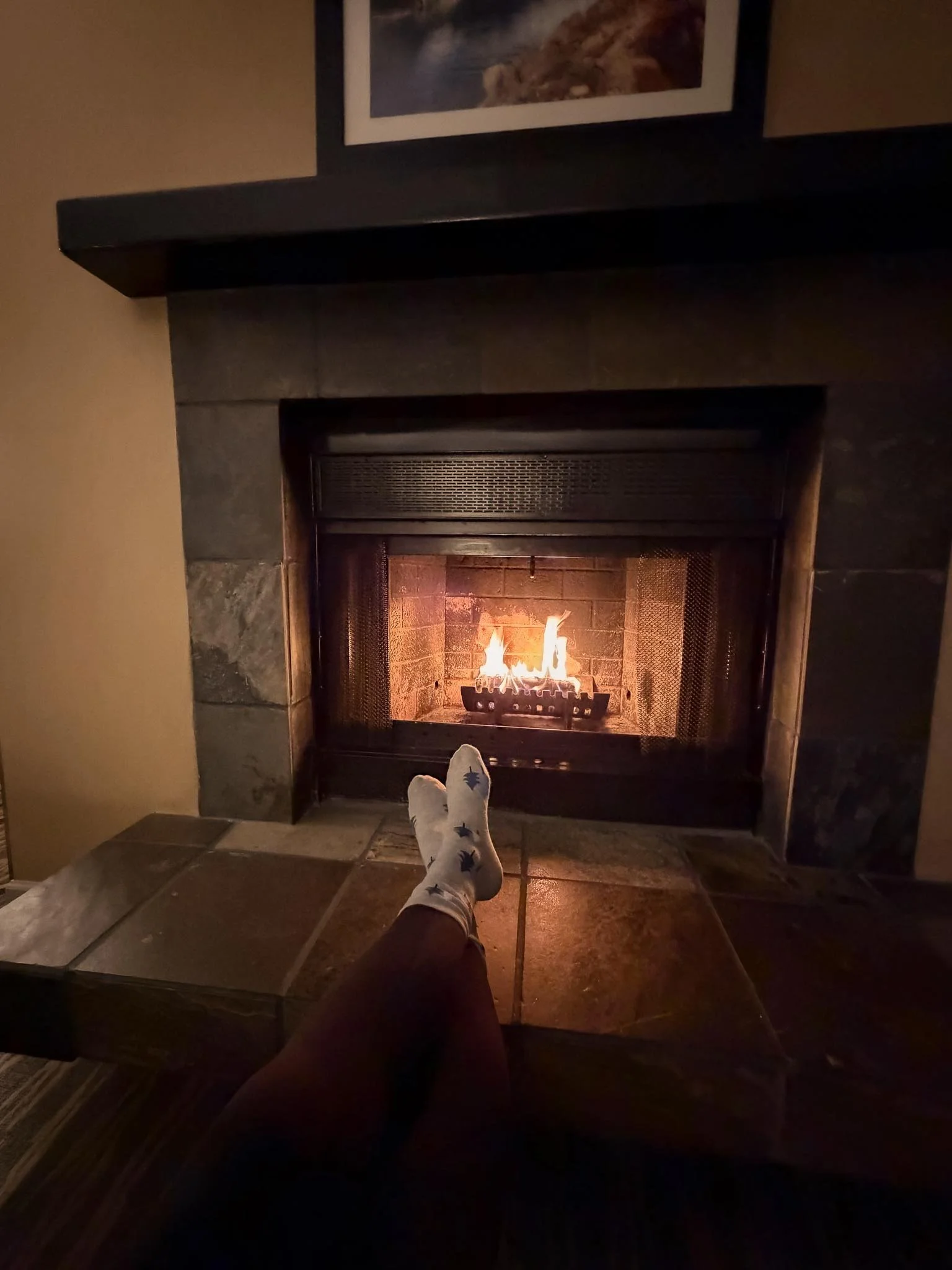
Between outings, I found myself returning again and again to the hotel — not out of necessity, but because it offered something the winter landscape alone could not: a feeling of warmth, continuity, and pause.
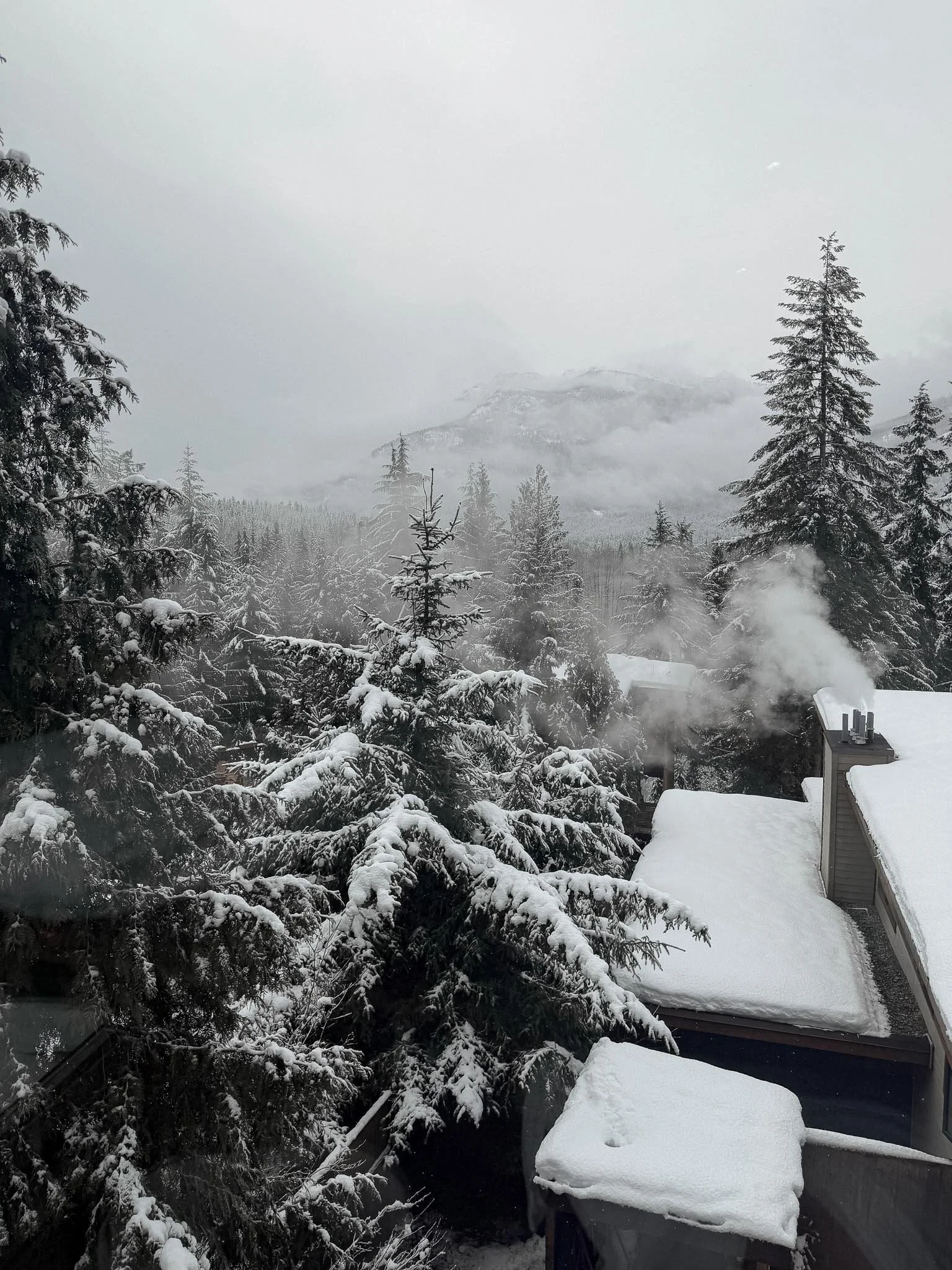
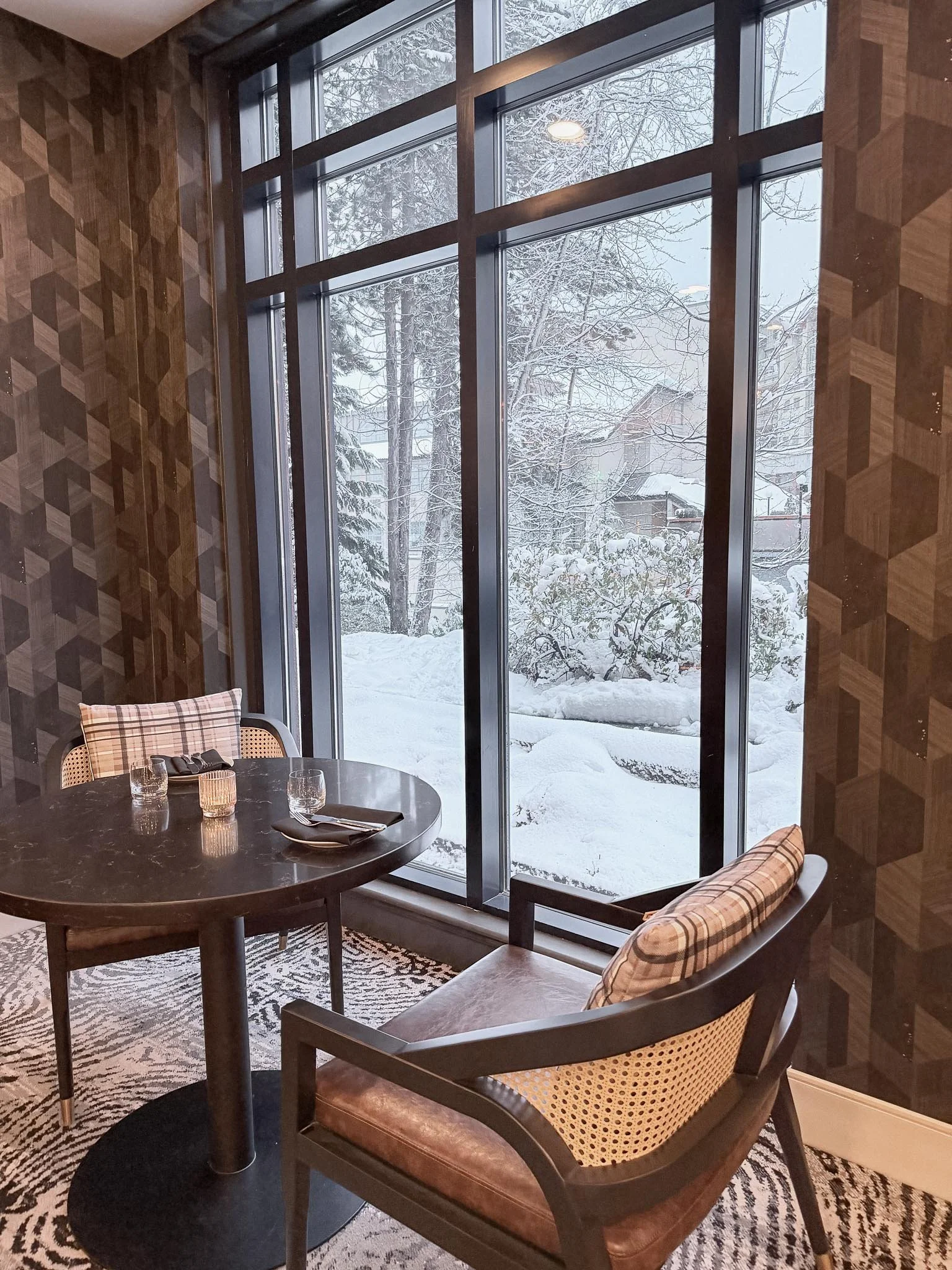
Inside, the spaces were quietly layered with texture — wood, woven fabrics, soft light, patterned walls — all held in contrast to the snow gathering beyond the glass. I spent long moments simply sitting by the windows, watching flakes fall across the village, the world outside moving slowly while the interior remained calm and contained.
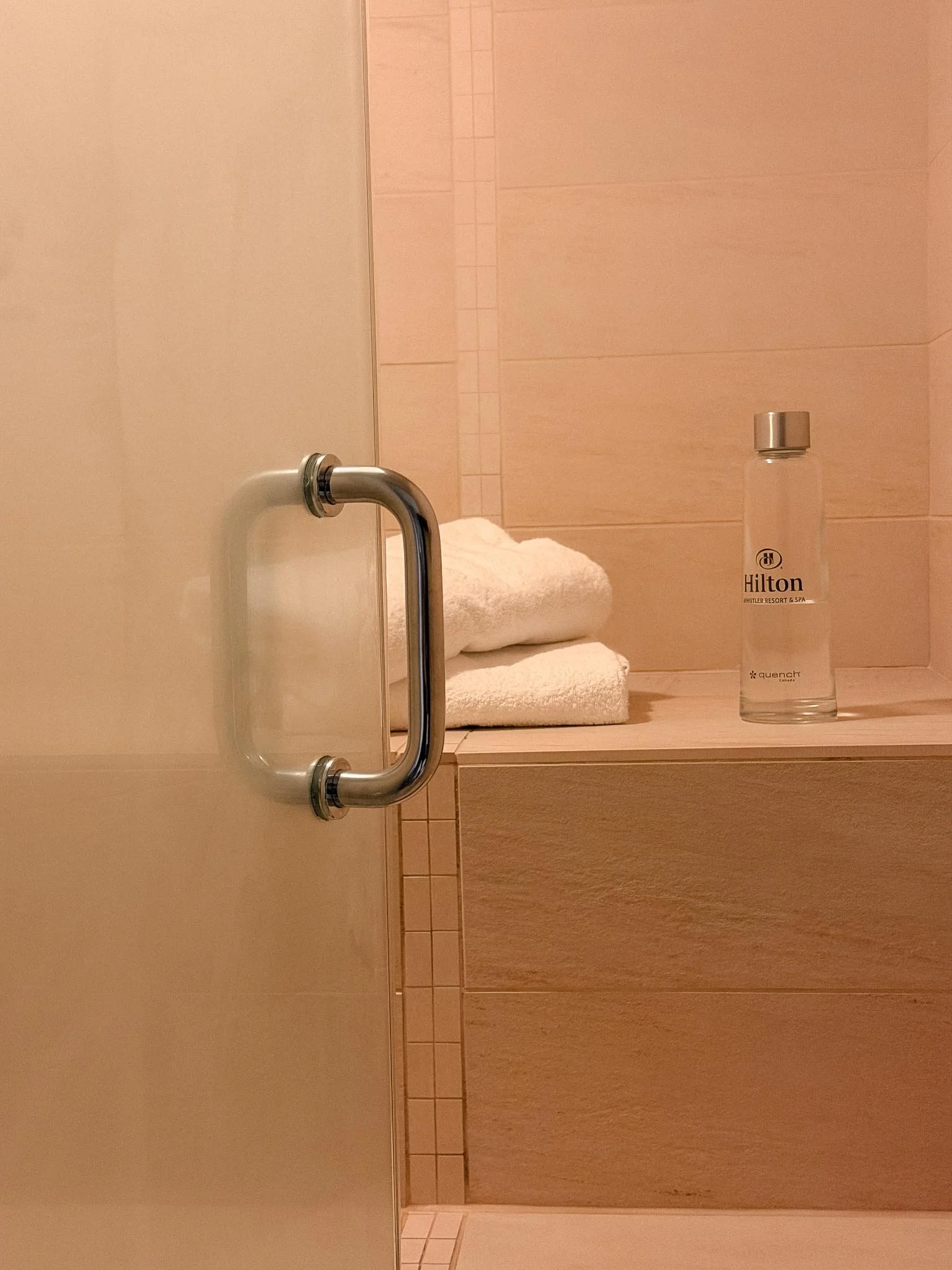
Back in the room, that sense of pause continued. Our upgraded two-bedroom studio unfolded like a small private retreat — kitchen, living space, and, unexpectedly, a private steam room. In the evenings, it became part of the rhythm of the stay: a place to reset after long walks, warm the body, and mark the transition from day into night. Fresh towels folded and ready, the world outside quiet beneath the snow, the ritual was simple and grounding — heat, breath, stillness.
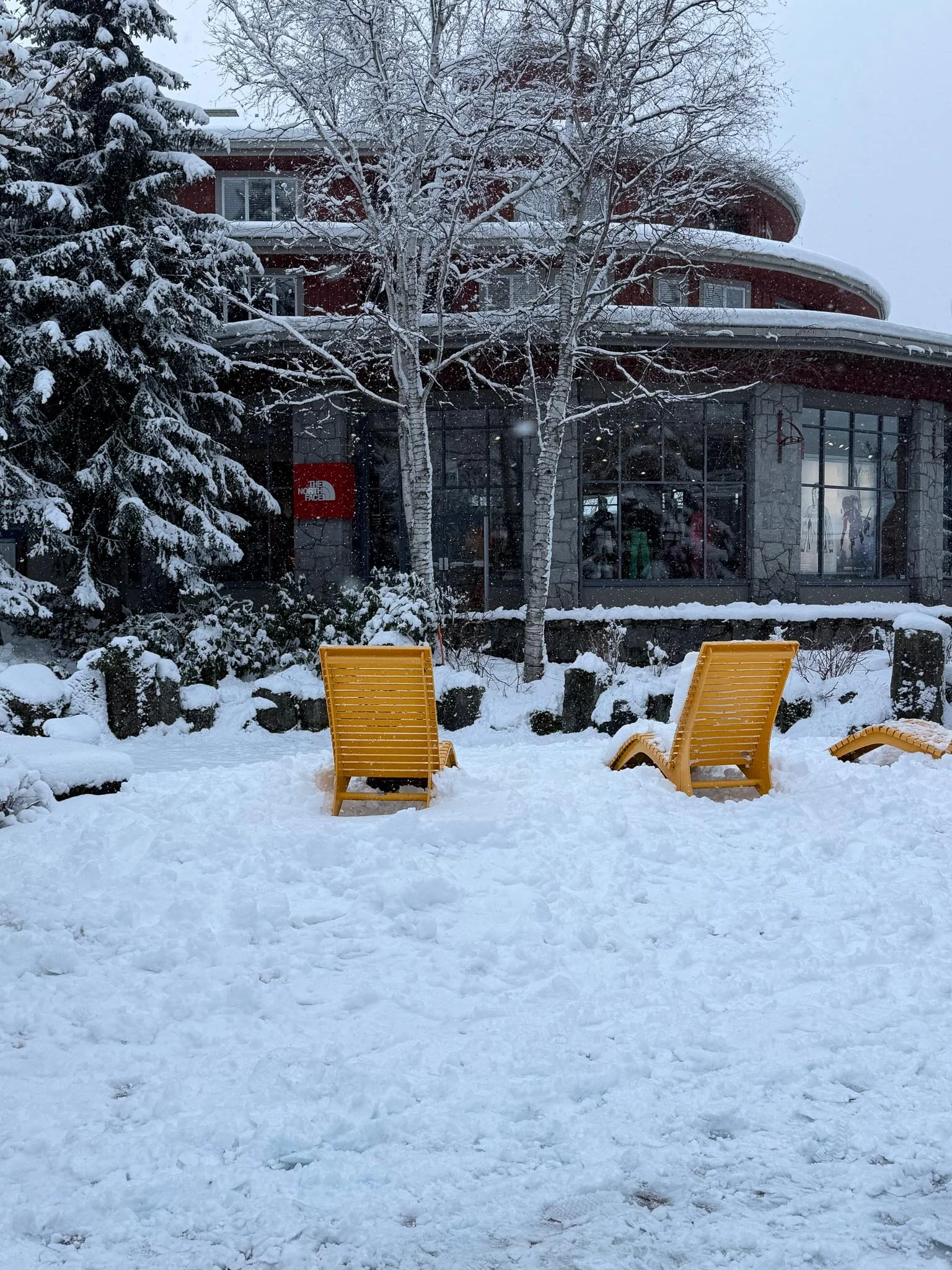
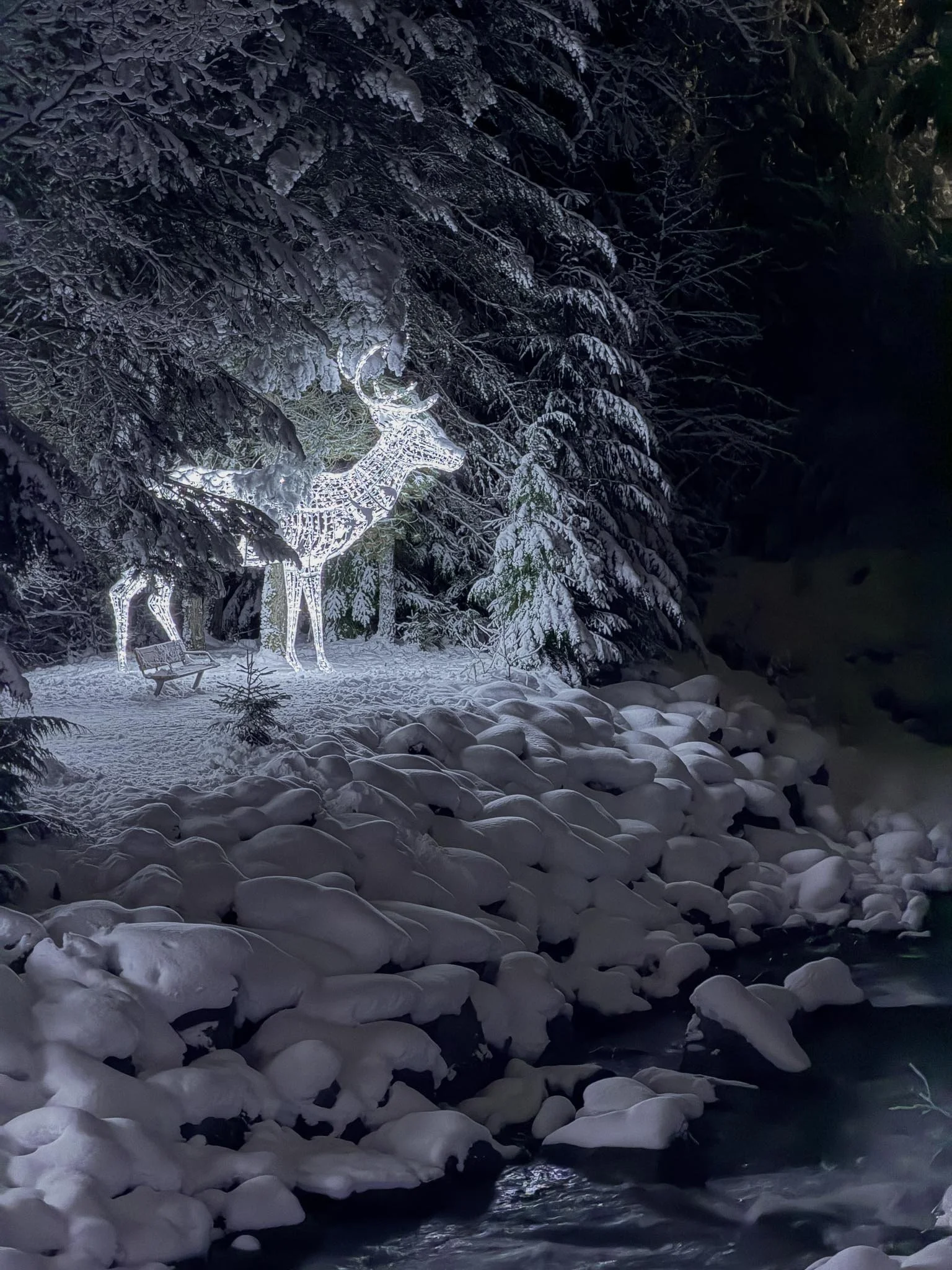
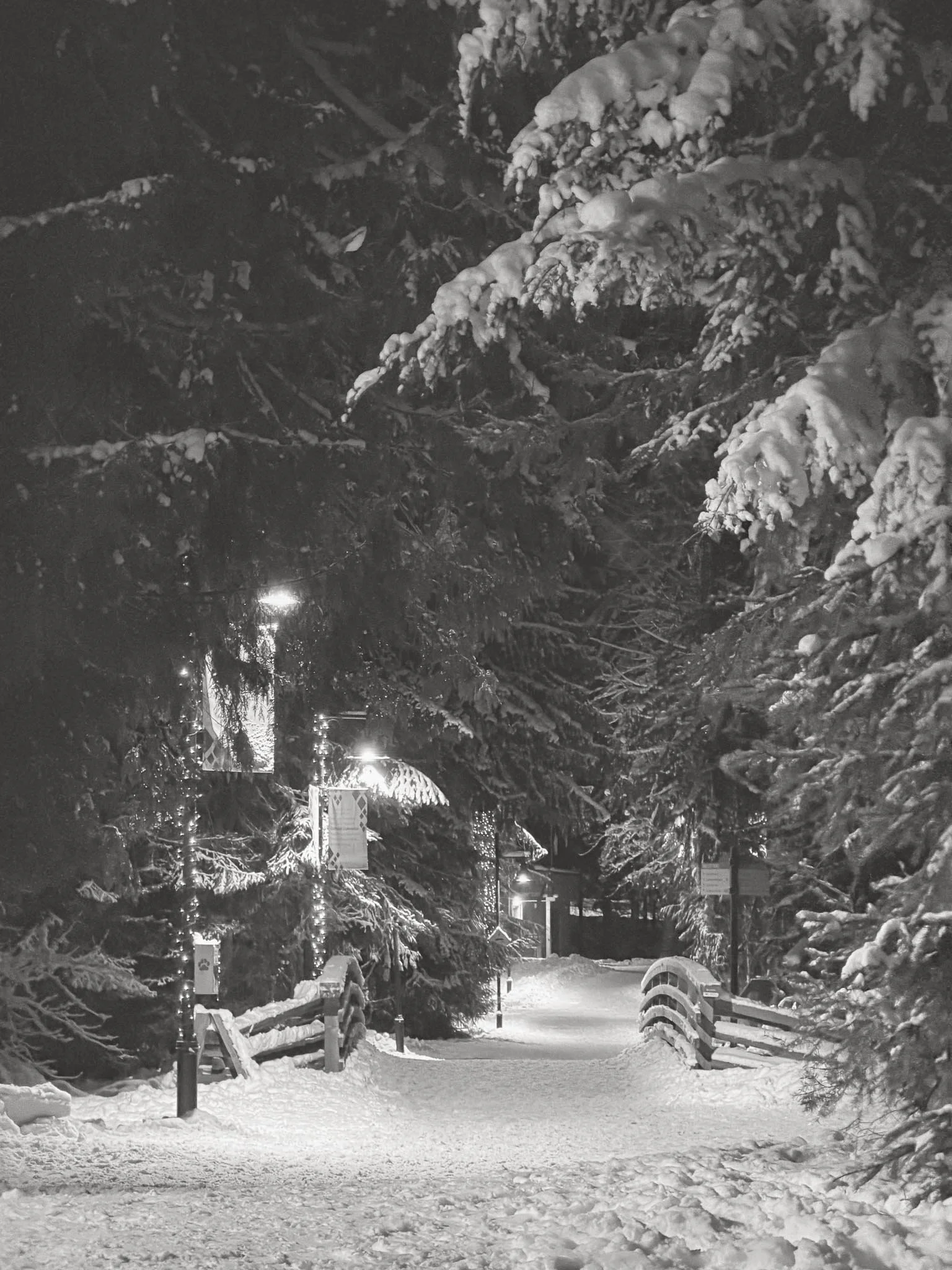
Village walks became part of the rhythm as well: unhurried evenings through softly lit streets, the crunch of snow underfoot, the feeling of being both inside the season and gently sheltered from it.
Later, I returned to L’Après Lounge for evening happies — where the warmth of the room, the hum of conversation, and the simple ceremony of a drink before dinner created another kind of stillness. The space held that rare balance between energy and ease.
What emerged across these days was a sense that Whistler, when approached this way, reveals itself not only as a destination, but as an environment — one that invites presence, slowness, and a quieter form of engagement.
Balam — Design, Atmosphere & Celebration
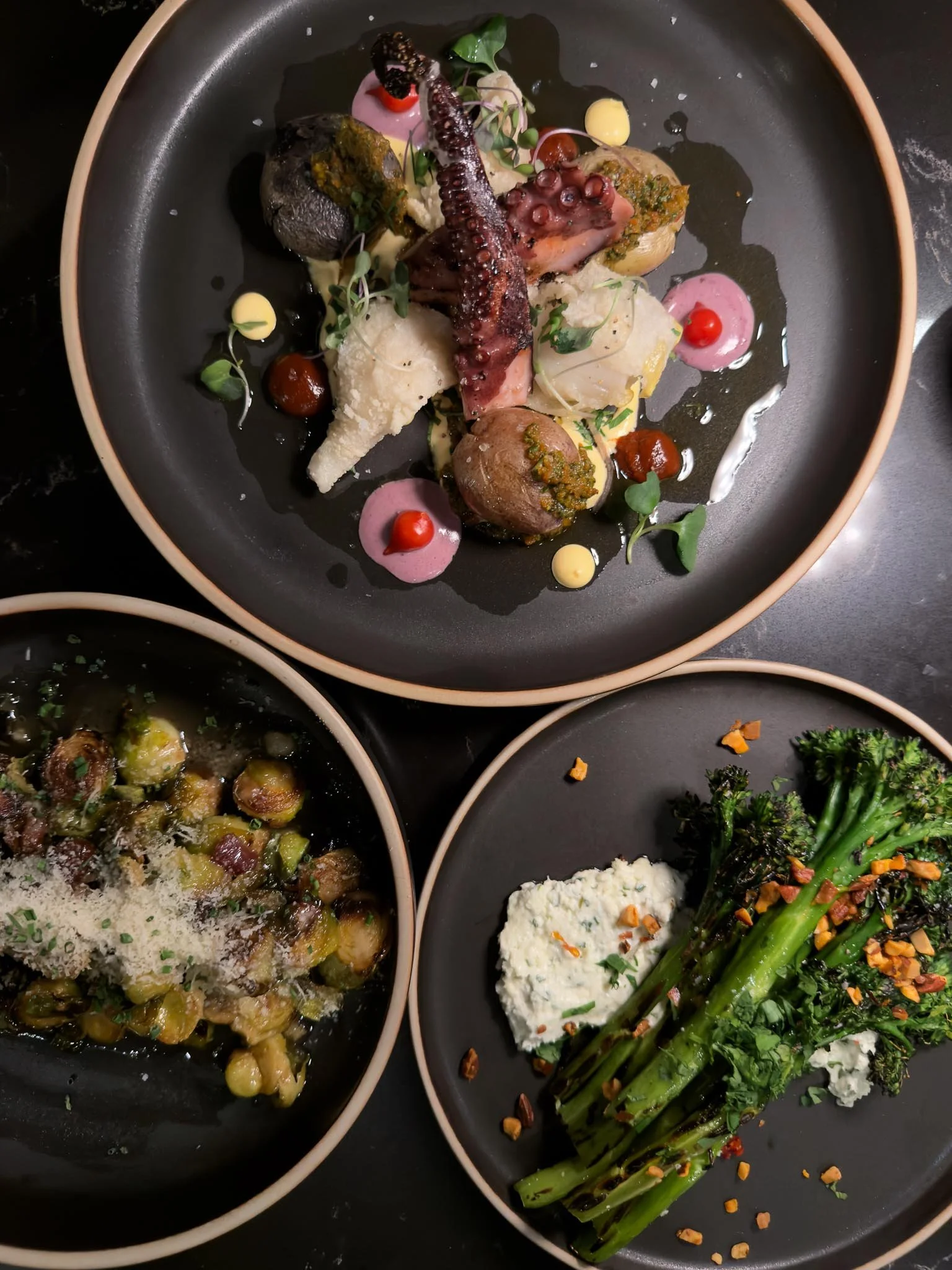
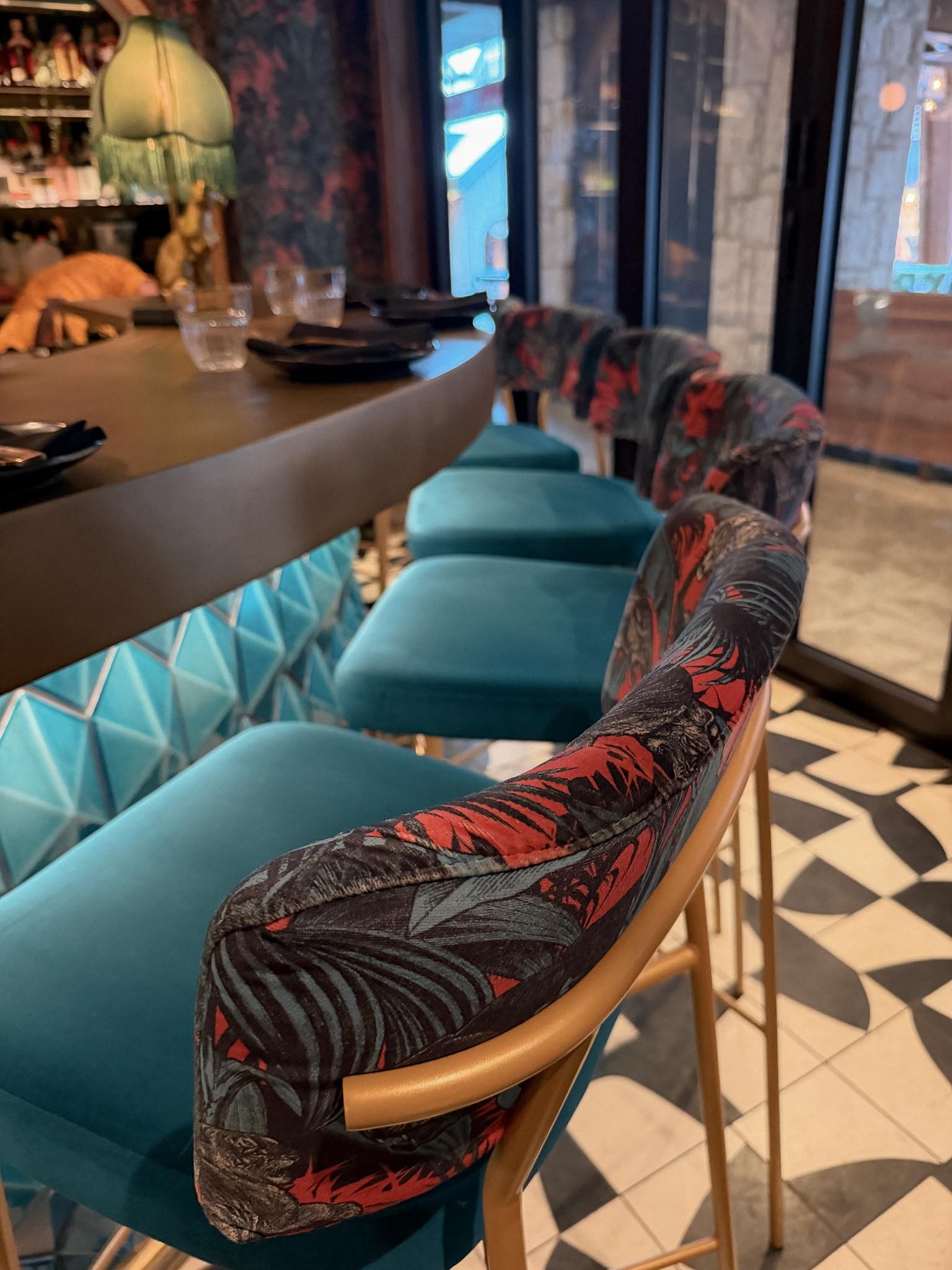
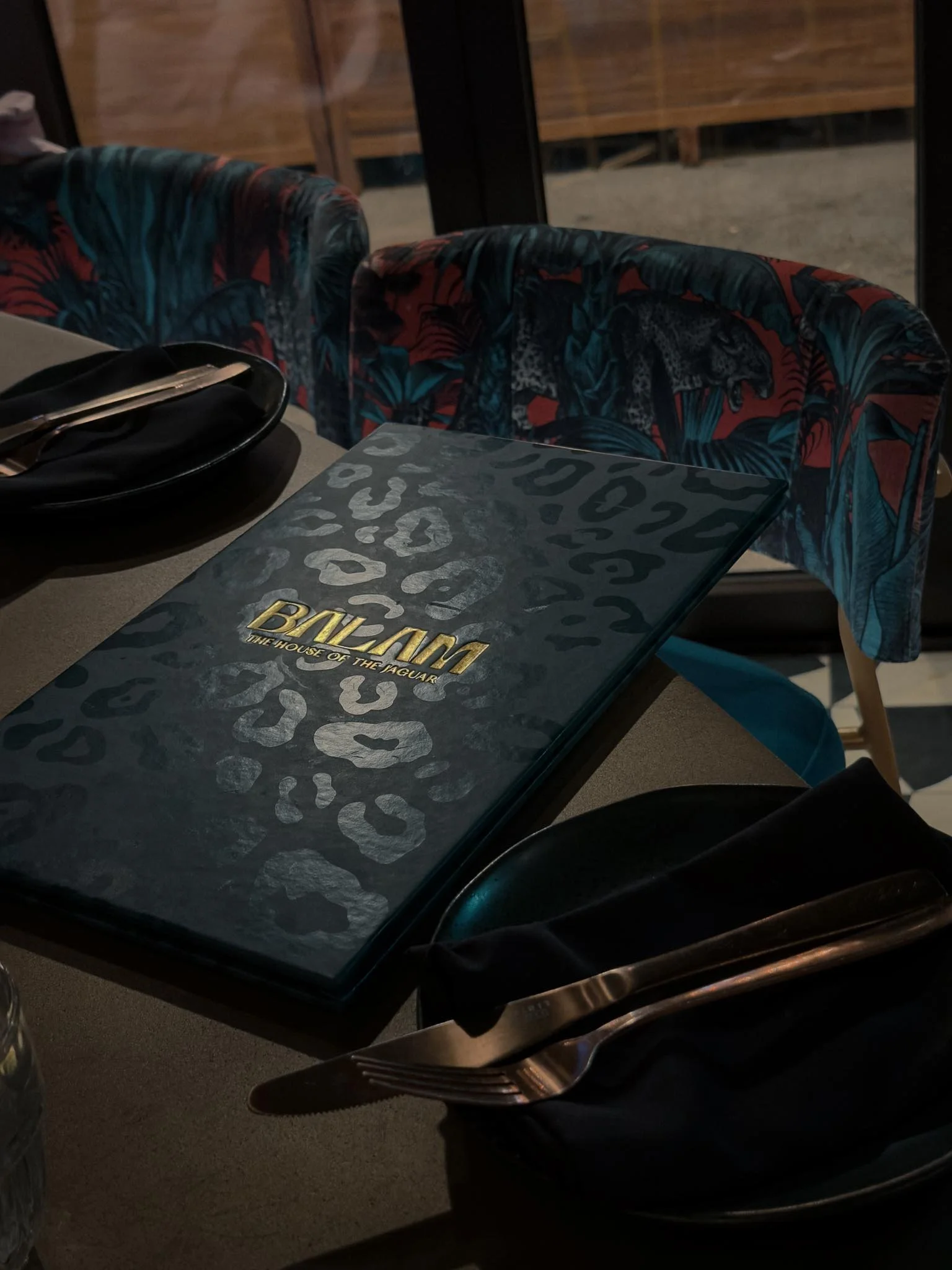
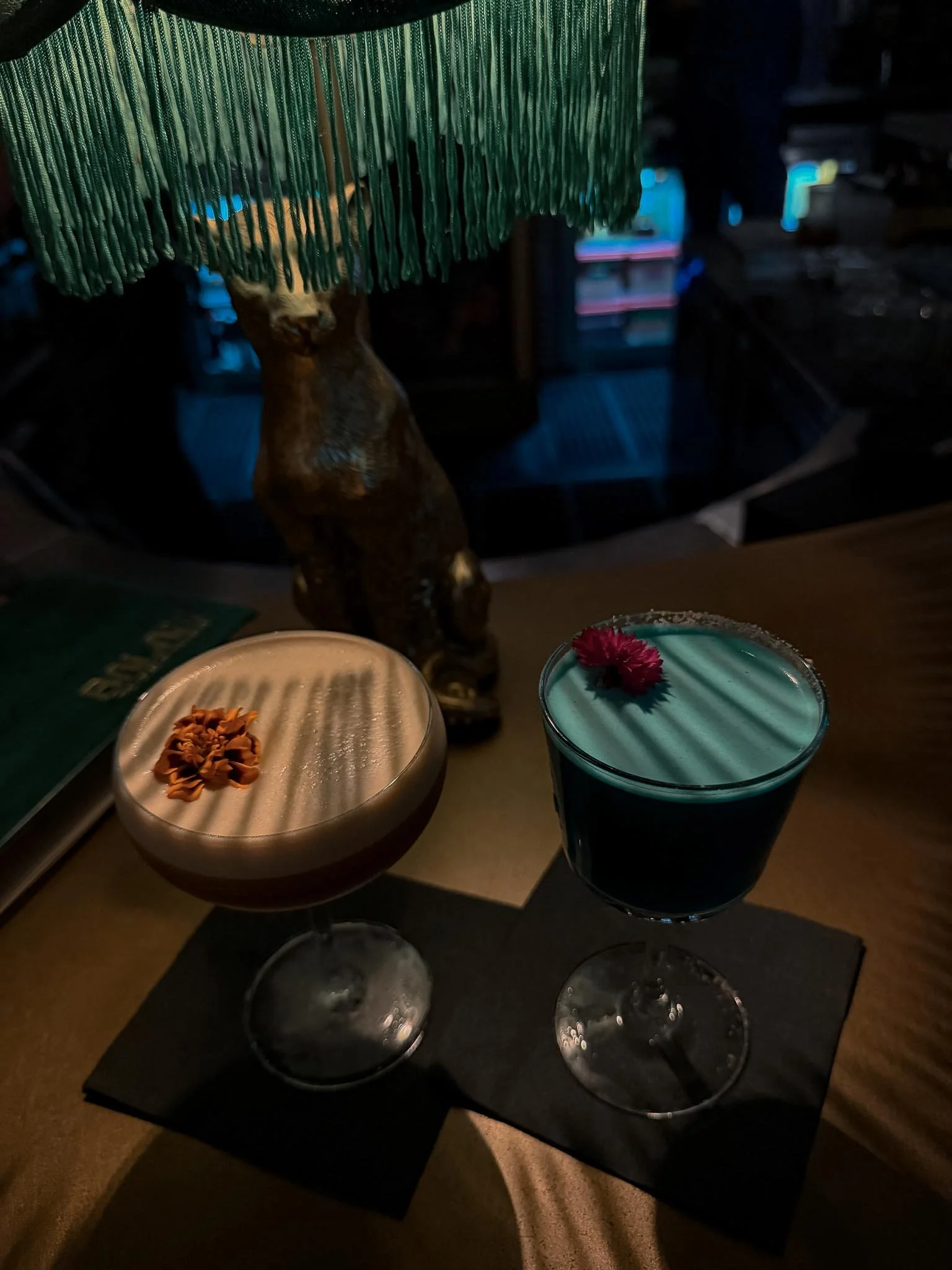
One evening, the rhythm of stillness gave way to celebration at Balam — a Latin American restaurant in the village whose design, atmosphere, and energy feel like their own destination. Warm wood, layered textures, soft light, and a room alive with conversation created the perfect counterpoint to the quiet of the week. It was here we marked a small anniversary — fifteen years since skiing into my husband on a mountain — a reminder that presence is not only found in silence, but in moments shared.

Movement, Stillness & Snow
Without skis or a snowboard, movement took on a different quality.
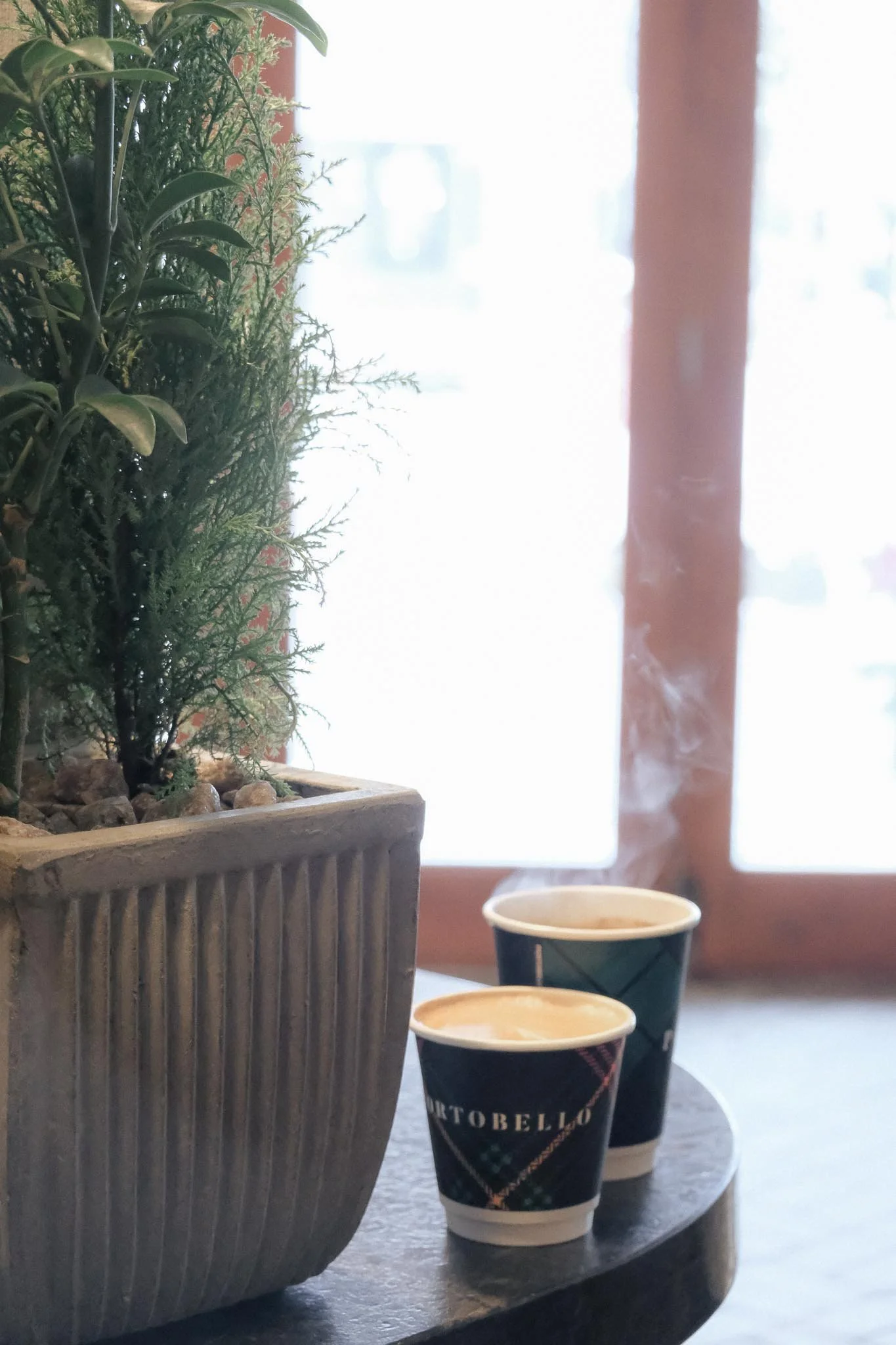
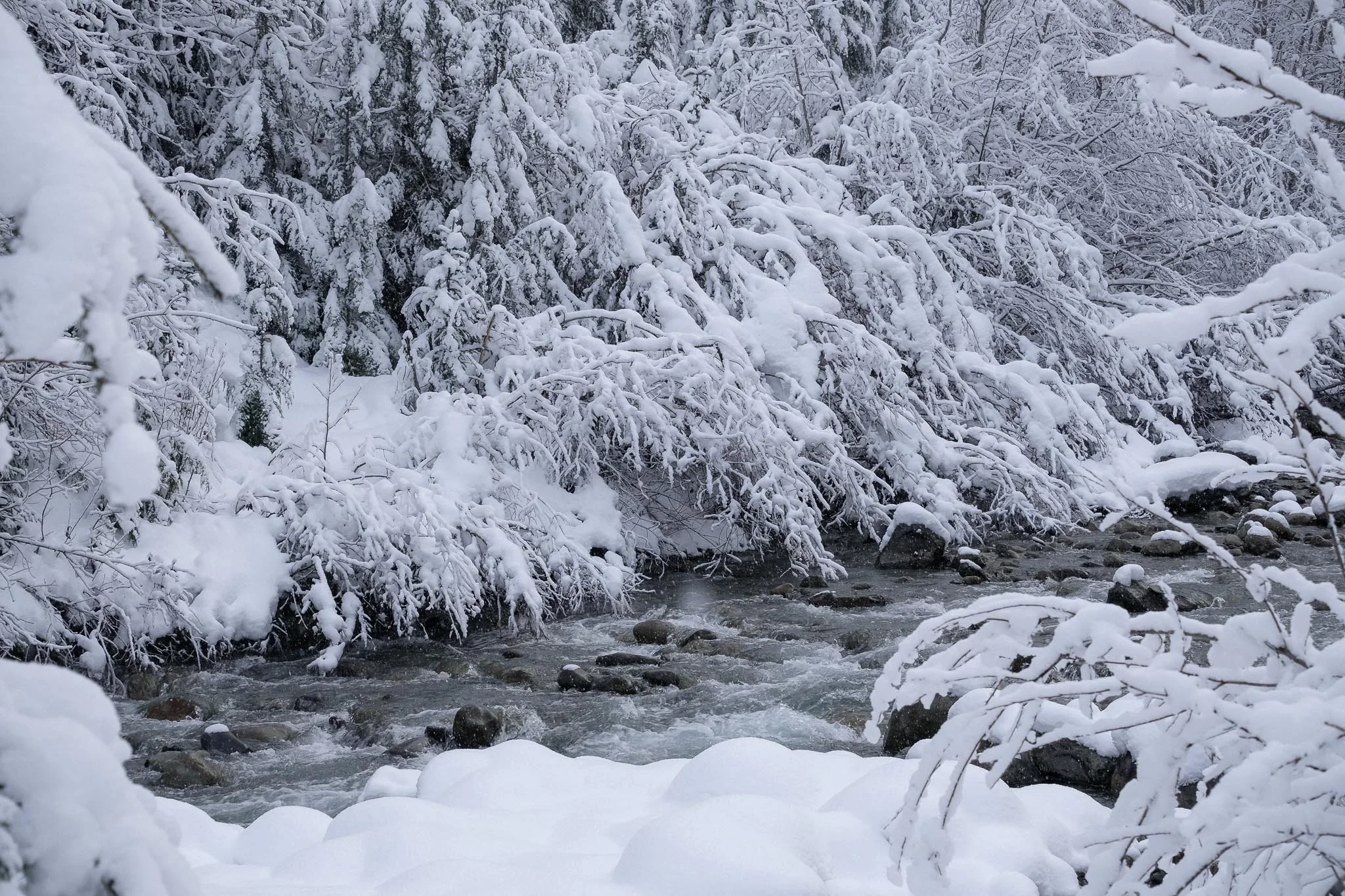
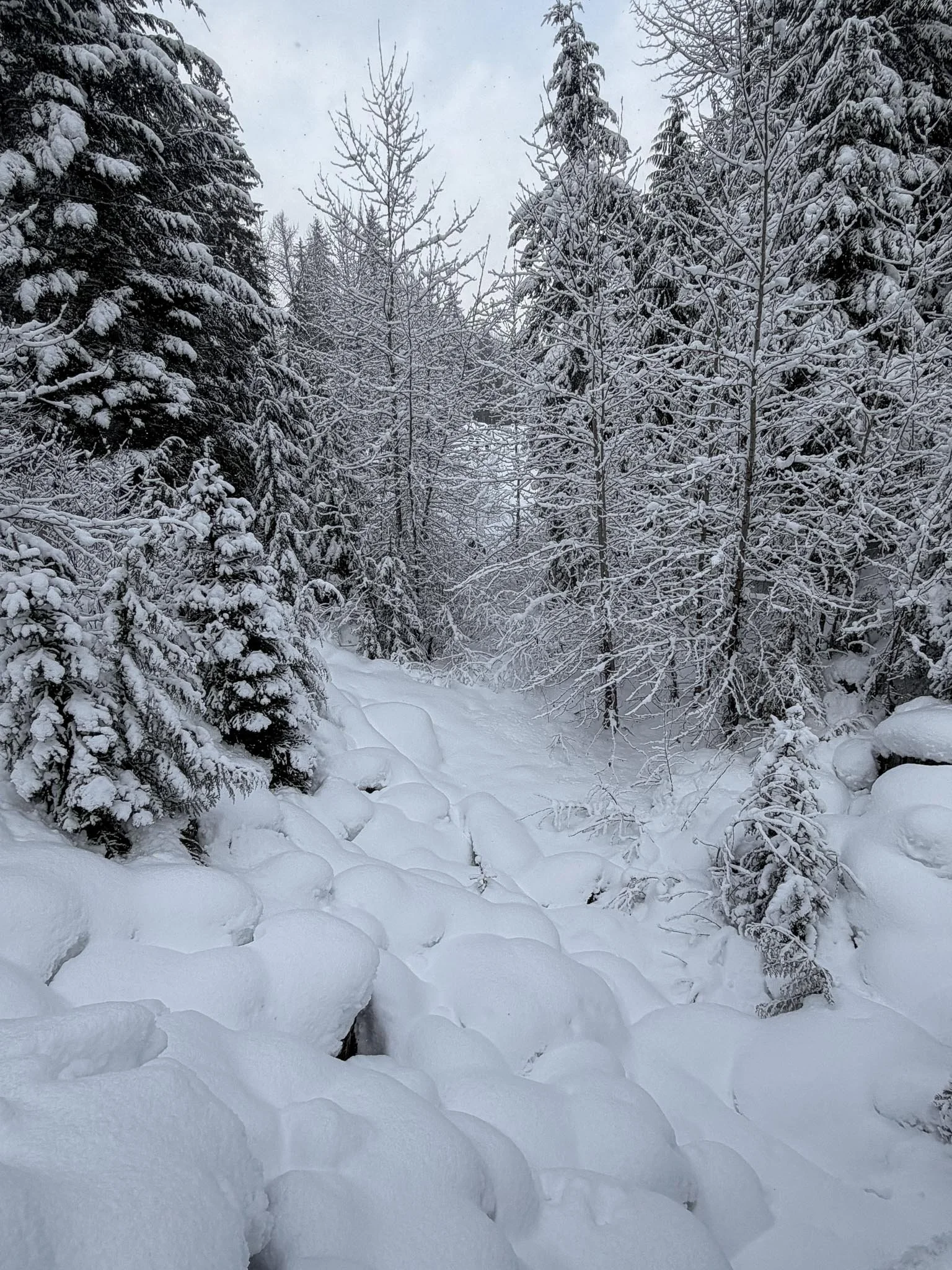
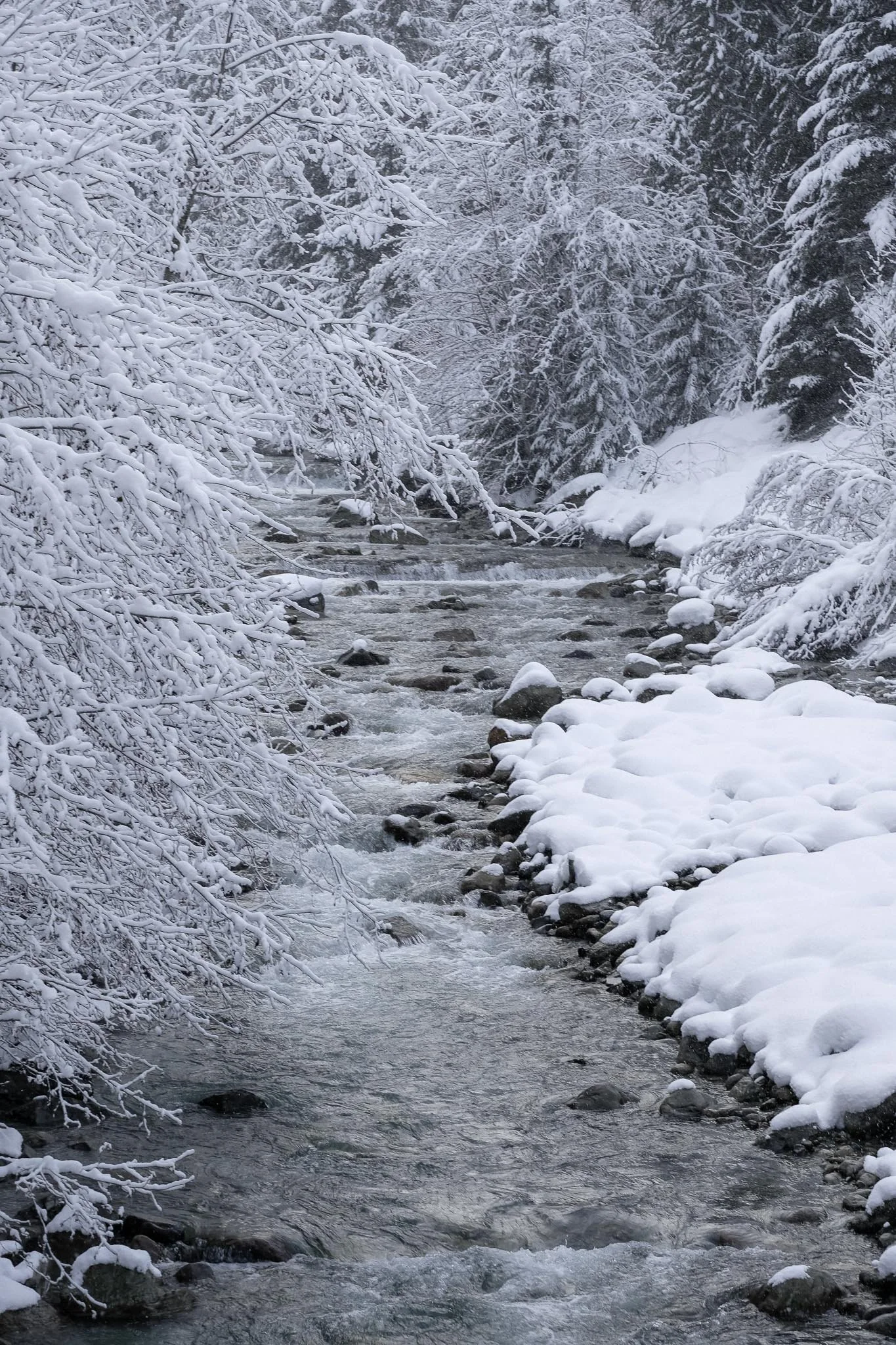
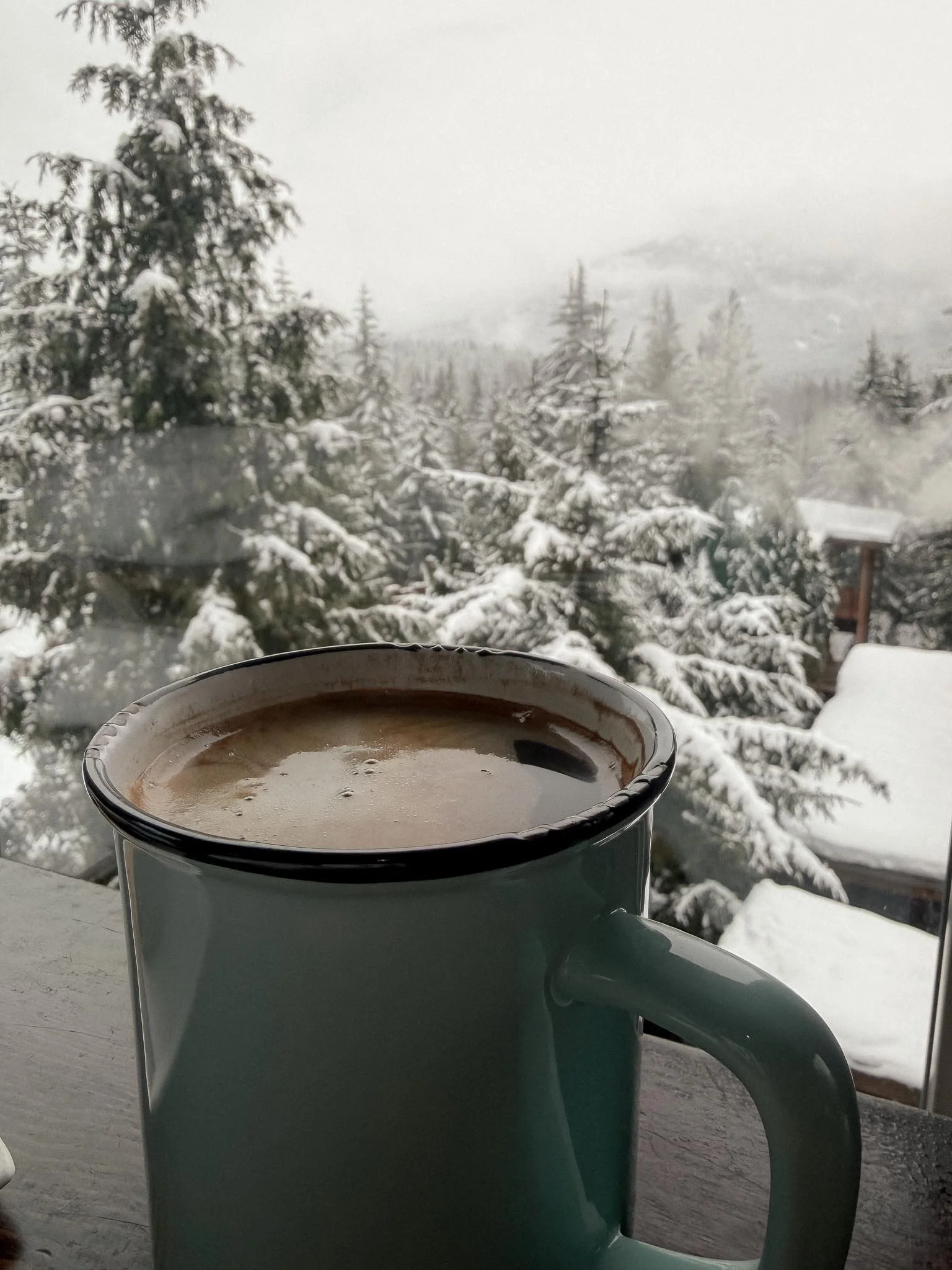
Mornings unfolded slowly. Coffee. Writing. Photography. Then long walks through winter air that felt almost medicinal — clean, sharp, and clarifying.
There is a different kind of creativity that surfaces in this rhythm. Without schedules tied to lifts or conditions, the day opens into something more fluid: space for thought, for noticing light, for framing moments through the lens, for letting ideas arrive without pressure.
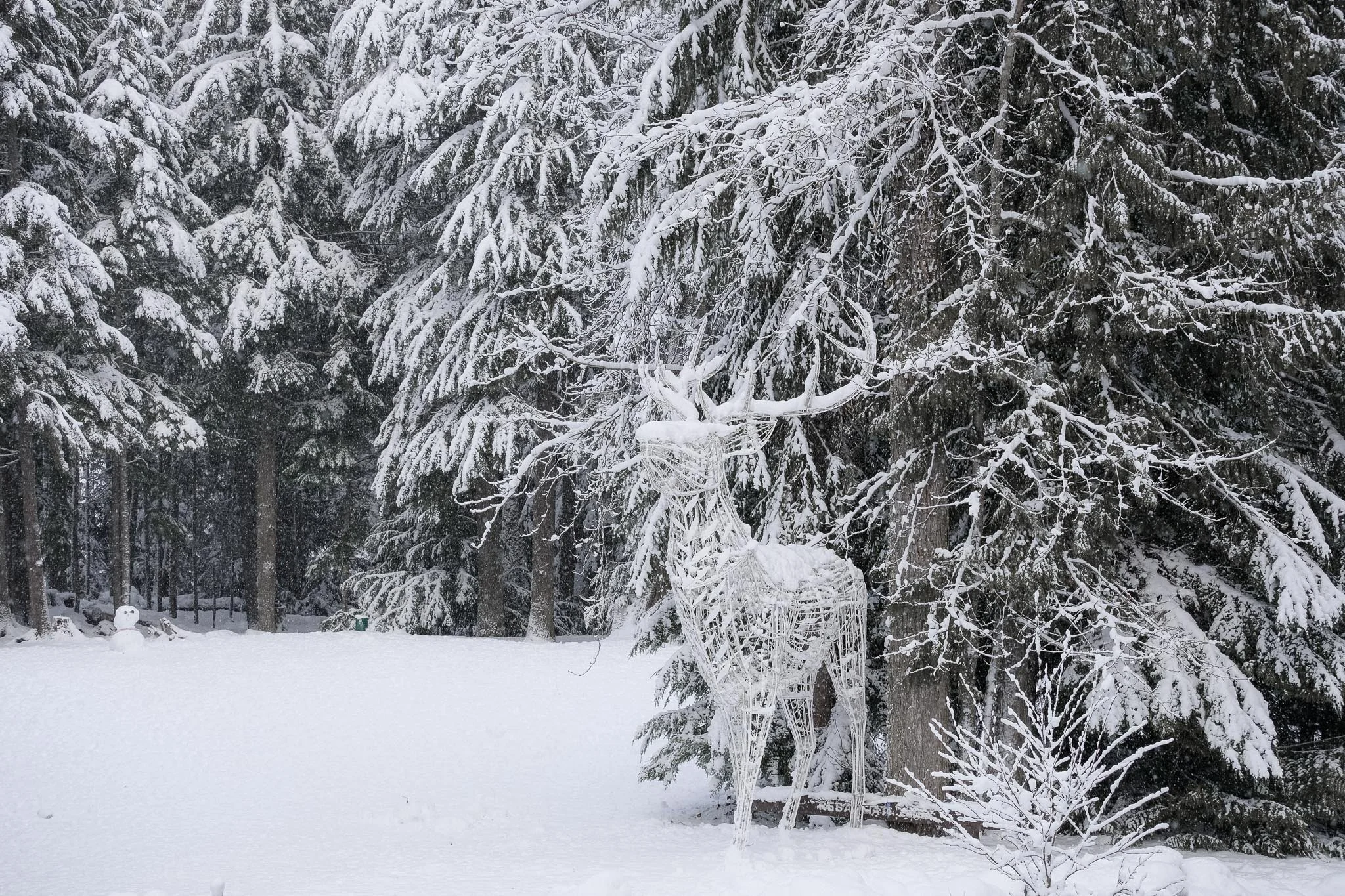
This version of Whistler — shaped by walking, stillness, observation, and seasonal living — offers a form of creative renewal that feels both grounded and lasting. It is not about conquering the mountain, but learning how to live with it.
What this week in Whistler ultimately revealed was not a destination, but a way of being. A reminder that creativity does not arrive through force or acceleration, but through alignment — with place, with season, with the body’s natural rhythms. When travel is approached as a practice of presence rather than performance, it becomes something far more enduring: a form of renewal that continues long after the return home.
This is the quieter version of the mountain. And it is always waiting.