Tidy Home, Clear Mind
The quiet psychological impact of visual ease + simplicity.
On living light in the spaces that hold us.
Home is not always permanent.
Sometimes it’s a rented flat with furniture chosen by someone else.
Sometimes it’s a six-month stay in a foreign city where you learn the sound of the kettle and where the morning light falls best.
Sometimes it’s a hotel room that becomes familiar only through routine — coffee, keys, curtains pulled half-open.
Wherever we land — Vancouver rain, Lisbon heat, a winter in London — space absorbs us quietly.
It mirrors our rhythm, our thoughts, our pace.
And when things begin to gather — clutter that arrives softly at first — the room feels heavier before the mind understands why.
This aligns naturally with Order, Flow & Design, how space becomes calmer when objects return home, rather than linger in view.
Atmosphere
Mess rarely announces itself.
It builds in passing — a receipt on the table, a half-folded jumper across the chair, stationery drifting like scattered thoughts.
Surfaces begin to carry what we have not yet addressed.
Visual noise becomes mental noise.
Stress doesn’t shout — it accumulates.
This isn’t about perfection or self-critique.
It’s about relief. Spaciousness — even small spaciousness — becomes a kind of exhale.
On Ease, Ritual and the Art of Living Light
Tidying is best approached like breathing: slowly, rhythmically, never all at once.
One surface instead of a room.
One drawer instead of a wardrobe.
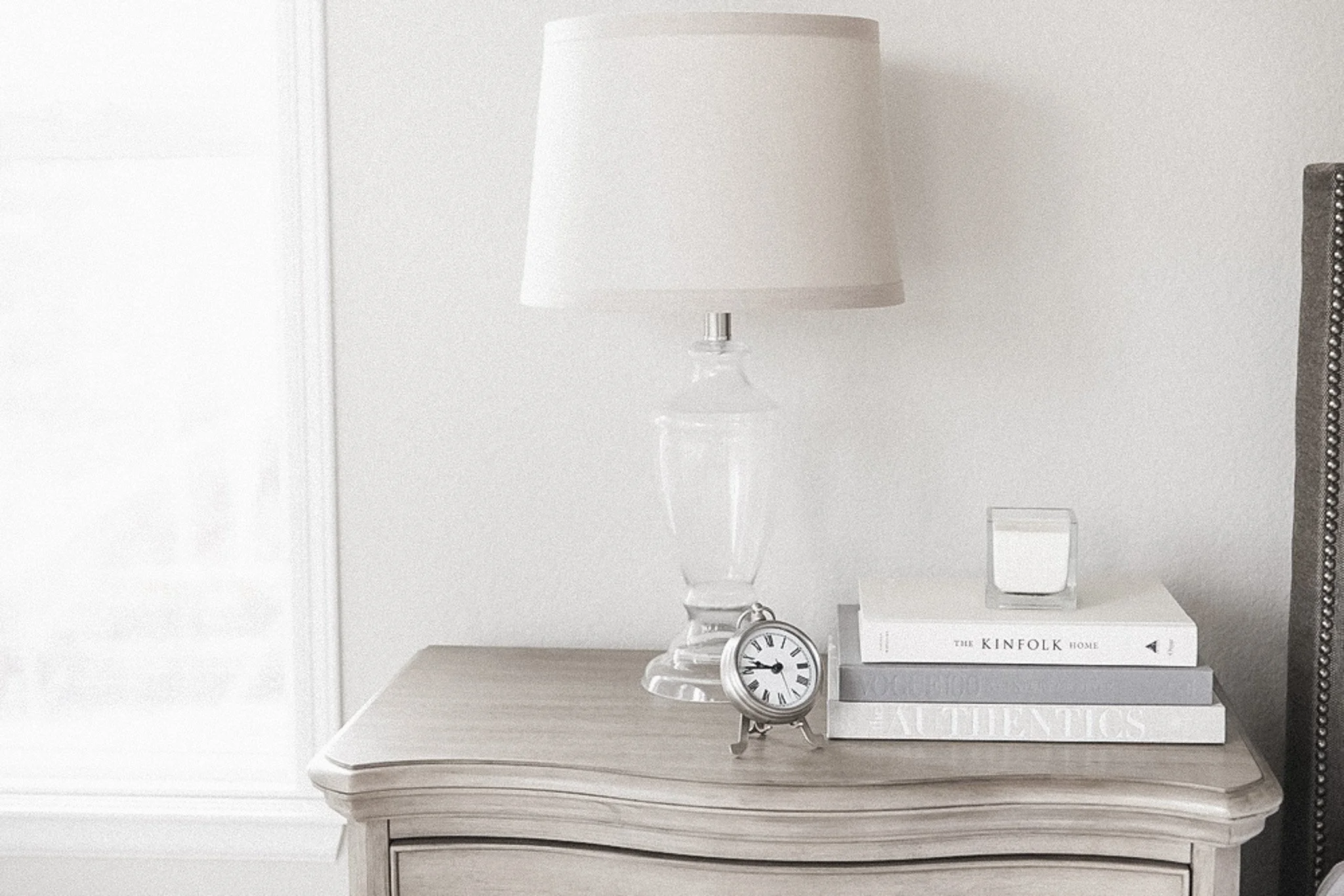
A single reset at night — a book, a candle, one clean glass — is often enough to shift how a morning feels.
Micro-tidying is devotion, not obligation.
A gentle ritual of self-respect.
A way of saying I care for the space that holds me — even if I may not stay long.
Living lightly is less about minimalism, more about feeling held.
It aligns beautifully with Simple, Functional, Personal, where design becomes lifestyle rather than display.
Storage as Poetry, Not Obligation
Beautiful organisation is not sterile — it is sensory.
A linen-lined box for loose cables.
A small tray for keys and headphones.
A drawer divider that makes 8am quieter.
Clarity is emotional. Calm is functional.
When storage works, rooms breathe — and so do we.
Sometimes the smallest interior refresh changes the tone of an entire day.
Clothing, Suitcases, Seasons of Self
Travel teaches minimalism without force.
You learn which pieces you reach for in every city — and which stay folded, untouched.
Editing your wardrobe like a traveller brings ease.
Keep what feels like you now.
Release what belongs to a past season.
A wardrobe with space breathes like a room with light.
Less to fold.
Less to manage.
More room to move.
A suitcase teaches us what matters.
And Growing Your Skills Abroad expands that lesson beyond interiors — growth happens when we carry only what supports who we are becoming.
Shared Calm
If you share a space — partner, friend, flatmate — clarity becomes collective.
Surfaces reset in the evening. Shoes return to one place.
Mail is sorted instead of stacked.
Clutter is communal. Calm can be too — not rigid, only rhythmic.
Paper, Inbox Tables + The Quiet Practice of Enough
Paper multiplies without permission — bills, notes, invitations, fragments of thought.
Give them a single landing place. Not perfect — only intentional.
A drawer. A slim tray. A folder reviewed when the week turns.
Recycle often. Keep what supports the life you’re living.
Release what asks you to look backward.
In that softness you may find your zen place — not a room, but a state.
Home does not need to be permanent to hold you.
It only needs space — a little light between objects, a little clarity between days.
A tidy home is not sterility.
It is ease.
It is breath.
It is the gentle feeling of returning to yourself without weight.
Wherever you wake tomorrow — let the room exhale with you.