Order, Flow & Design
How thoughtful spatial planning improves rhythm, efficiency and calm.
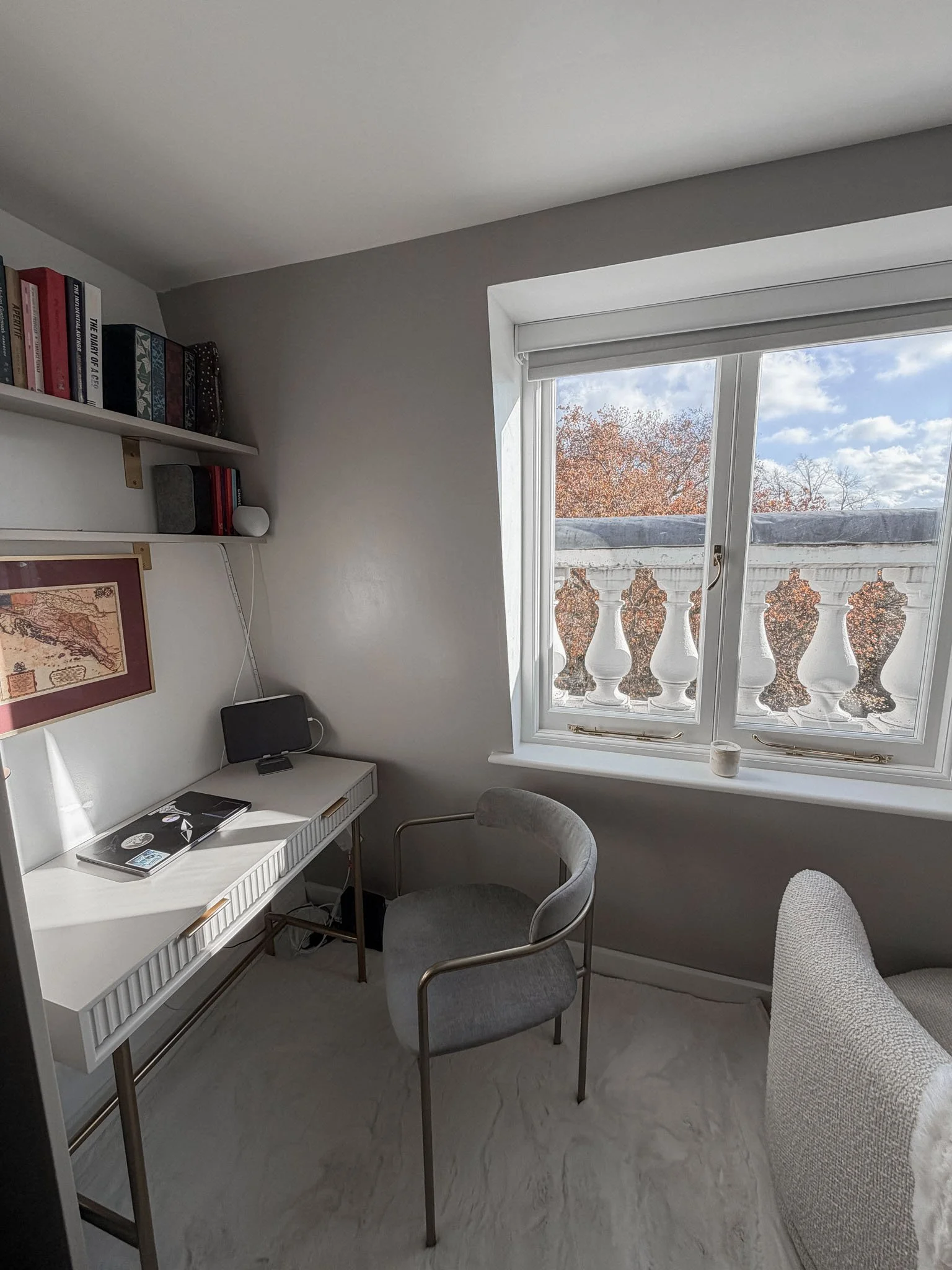
Flow is not a luxury. It is what allows a space to feel gentle even when it is working hard. Good design isn’t defined by perfect furniture placement or the right task chair — it shows itself in how easily you can begin, focus, shift, return. Whether you work from a full office floor, a dining-table studio or a rented bedroom desk, order shapes the pace you live at.
We once associated productivity with buildings. Now, work happens anywhere. The home is often the office. A café becomes studio. A plane seat becomes meeting room. Space doesn’t define purpose anymore — we do. When rooms support multiple modes of living and working, the day becomes lighter rather than something to move through with effort.
A calmer interior is often a more productive one.
This is why Quiet Interiors holds so much relevance here — a space regulated in tone regulates thinking in turn.
Flow as spatial intention
The most efficient interiors are rarely the biggest.
They are the ones that support movement without thought.
Flow is the corridor the mind follows. It lets you shift from screen to notebook, from deep work to rest, from solitary focus to soft creative drift. Even in small rooms, pace is shaped by placement — the desk that faces light, a chair positioned toward warmth, a table that begins as workspace in the morning and restores itself as dining surface in the evening.
Order isn’t austerity.
Order is a quiet kind of intelligence.
Spaces that adapt with you
Most rooms now have more than one identity.
We work, think, eat, decompress — sometimes within the same hour. A space that can move with that rhythm is more functional than one defined by a single fixed role.
This thinking aligns naturally with Designing Multi-Use Spaces. A sofa becomes reading zone. A movable table becomes standing desk height. A corner becomes creative layout surface, then folds back into silence at night.
Movement becomes design, not disruption.
Zoning through subtle cues
Walls are not the only way to define purpose.
Atmosphere can separate space more gently.
Signals, not divisions.
• A clear desk for clarity
• A soft rug for grounding
• A warm lamp for evening pace
• A cluster of plants to soften boundaries and guide movement
Not rules, rhythms.
Not partitions, quiet orientation.
Zoning becomes a feeling rather than a blueprint — a soft suggestion of where thinking sharpens and where it softens.
Light as the quiet organiser
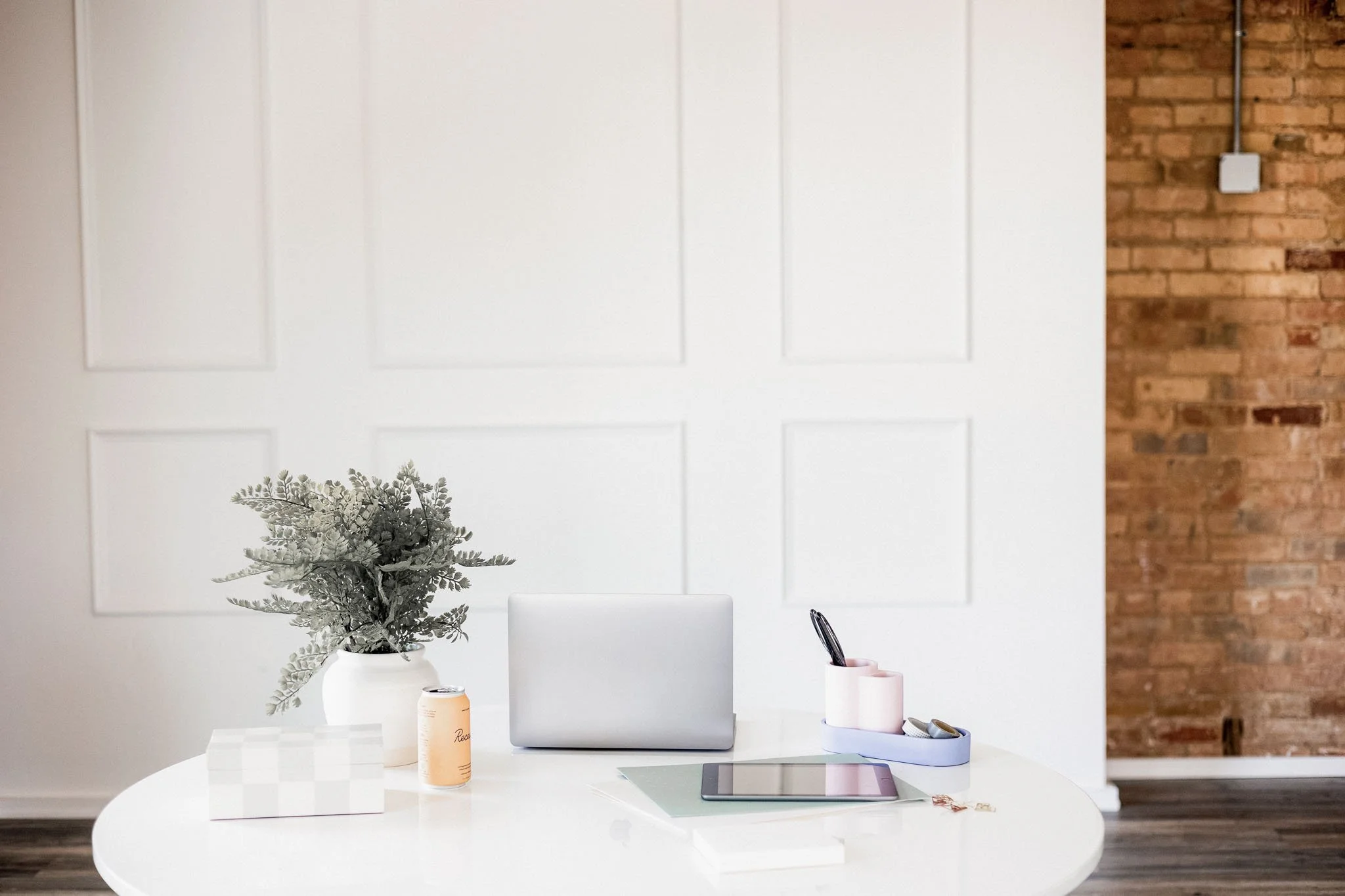
Light sets tempo.
Natural daylight tends to elevate pace and focus.
Diffused evening light softens tone and encourages release. When windows are limited, layered lighting can replicate rhythm — task light for detail, ambient light for thought, warm pools for recovery.
Good lighting isn’t dramatic.
It simply feels like you’re meant to be there.
Visual ease supports mental ease
Attention is a resource.
Every object in view carries a silent pull.
When belongings have a home to return to and surfaces are allowed to breathe, thinking expands. This is not minimalism for aesthetic sake. It is clarity as cognitive spaciousness. A workspace that holds only what your work genuinely needs returns energy instead of absorbing it.
Visual ease supports deeper mental range.
Flow as creative stability
Structure alone creates output.
Flow creates output with dimension.
The best workspaces offer enough order to move with confidence, and enough softness to allow ideas to wander without losing form. This balance is echoed in Creative Work Paths and creativity thrives where there is pace, but also patience.
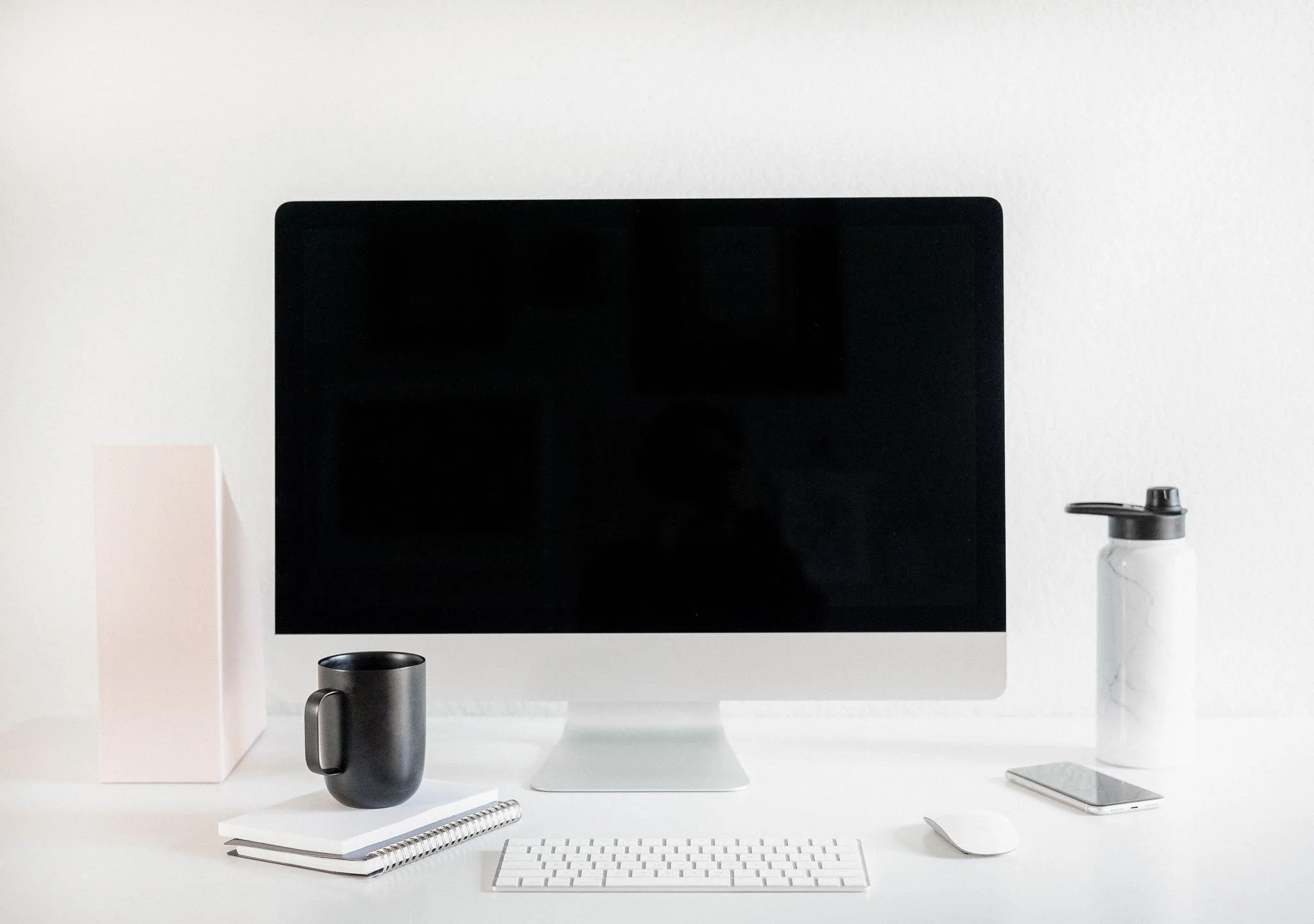
Good spatial planning doesn’t push you forward.
It removes what slows you down.
When you design for movement, for clarity, for stillness, the work made in that room often carries the same tone back into the world.