A calm interior is not built — it is revealed.
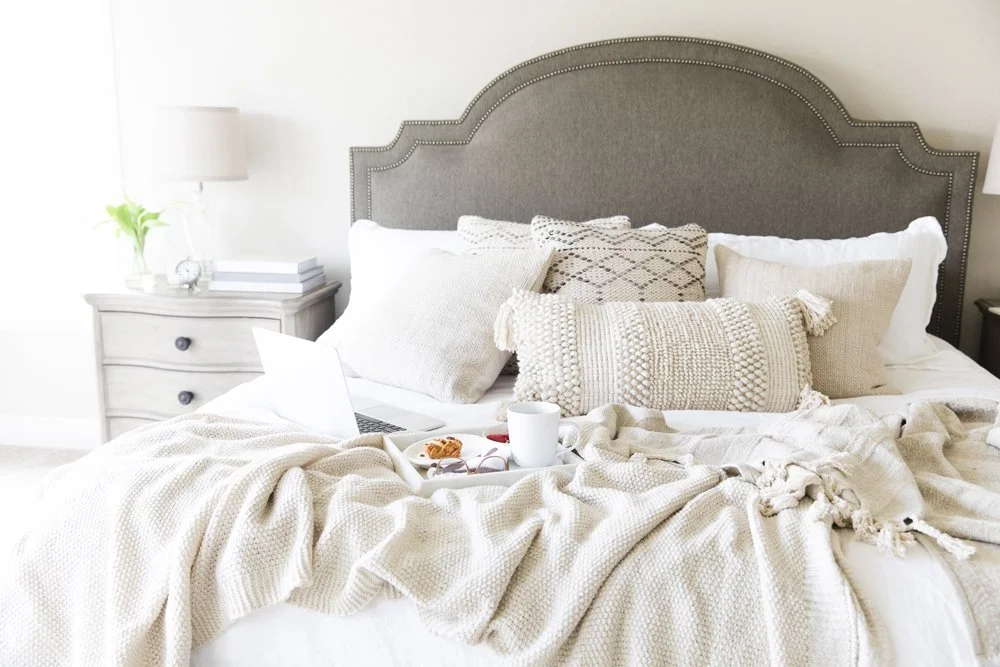
A zen interior is a deliberately quiet space designed to reduce visual noise, support nervous-system calm, and allow the home to become a restorative environment rather than a stimulating one. This isn’t about decor — it’s about how a room behaves when interruptions fall away, a principle shared with Quiet Interiors, where space itself becomes an instrument of ease.
Quiet design remains foundational because calm does not expire. Trend cycles shift, colours come and go, styling rises and falls — but environments that reduce cognitive load and return us to ourselves maintain relevance across decades. A quiet home is not decorative minimalism; it is functional clarity. Here, design becomes relief — the kind that ages well.
Subtraction over addition
When there is less to process, there is more space to think. Removing excess (rather than styling over it) creates a baseline for comfort — surfaces visible, cupboards intentional, objects chosen not accumulated. A decluttered interior isn’t empty; it’s breathable. This is where clarity begins.
Materials with softness, texture, absorption
Natural fibres, raw woods, matte ceramic, linen, mineral stone — materials that absorb light rather than reflect it sharply. Touchability matters. When surfaces feel calm, occupants do too. Texture becomes a sensory tool, not a trend decision.
Light that whispers, not commands
Layered light calms the body: diffuse daylight in the morning, warm lamp pools in evening stillness, pockets of shadow where the eye can rest. This is not dramatic lighting — it is gentle architecture. Illuminating with intention softens pace, supports rest, and keeps the design deeply human.
A palette shaped like weather, not paint charts
Muted mushroom, oat, wheat, cool grey after rain, clay-soft neutrals — tones that sit behind the room rather than ahead of it. Zen colour is less expression, more exhale. Homes designed for nervous-system calm adopt palettes that stabilise emotion and reduce visual demand.
Objects with memory, not novelty
A room becomes personal not through quantity, but through resonance — a ceramic cup worn smooth, a linen book with softened edges, a foraged branch on a bedside table. Belonging lives in continuity. These are objects kept for years, not seasons. Meaning > novelty.
The sensory layer — often unnoticed, always felt
Sound, scent, texture underfoot, temperature against the skin — these regulate calm more than styling does. A wool rug absorbs sound. Fresh air lowers tension. A diffuser with cedar or bergamot becomes grounding architecture. Sensory design isn’t decorative — it’s physiological. This is where a calm home moves from look to feel, from aesthetic to experience.
As homes adapt through working, resting, hosting and retreat, the value of clarity increases. A tidy home, clear mind atmosphere emerges through rhythm — objects have homes, light follows the day, movement is unobstructed. Here, intentional design is not aesthetic ambition; it is long-term ease.
A zen space isn’t an empty one — it is a supported one. What remains carries meaning, what enters does so with purpose, and what leaves is anything that pulls the mind out of stillness and back into noise.
These foundations adapt across seasons, new routines, evolving spaces — they stay with you through movement and change. Calm is not static; it evolves with you. It becomes a place you leave, explore from, and eventually return to — naturally, quietly, over years.