Function in Interior Design
Practicality as a pathway to comfort, flow + alignment.
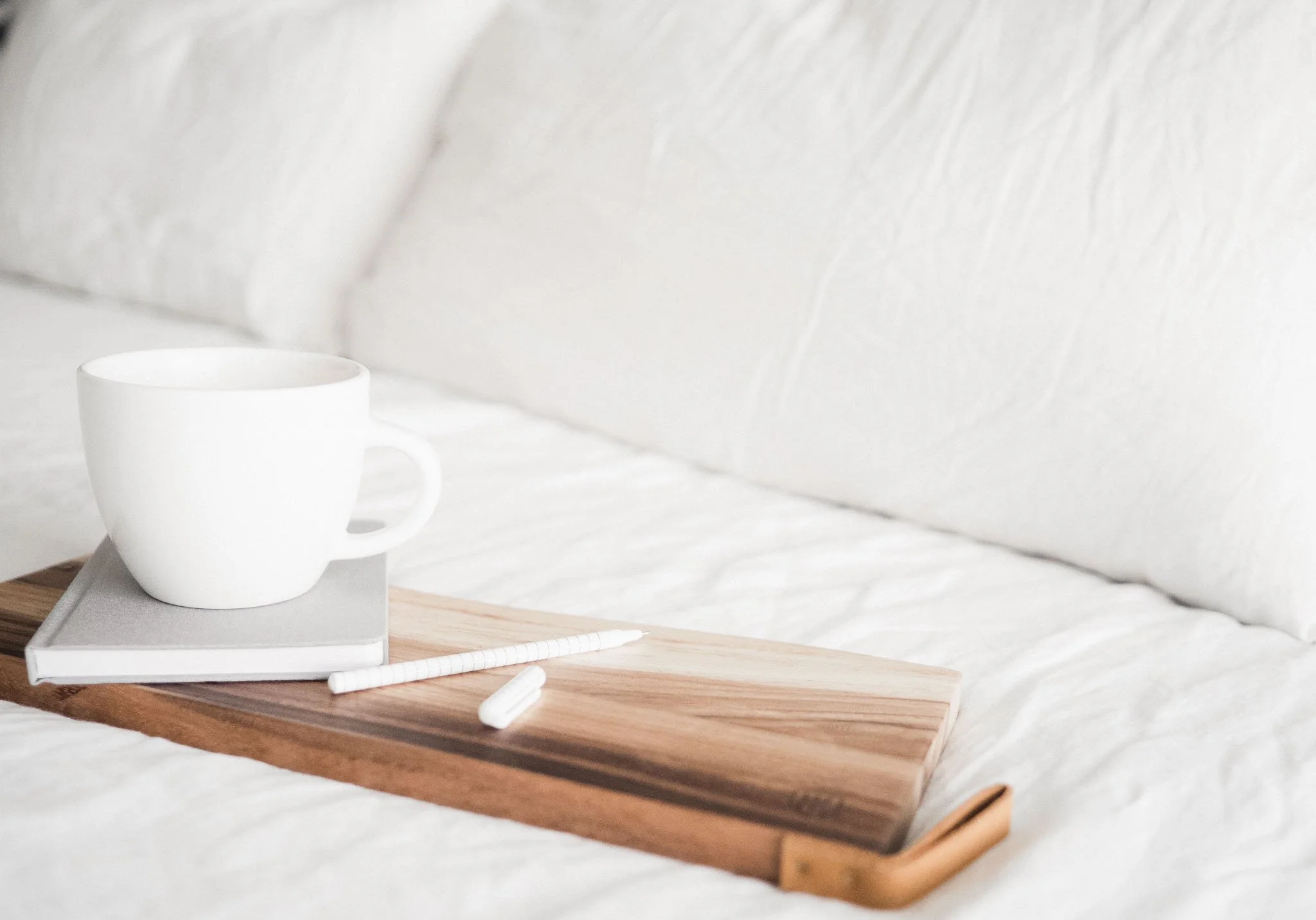
A functional home is not one that simply contains furniture — it is one that supports life as it happens. Function is the architecture beneath comfort, the quiet logic that allows rooms to serve us with ease rather than ask for effort. When a space aligns with how we move, think, work and rest, design becomes invisible — not because it lacks intention, but because it works.
Rooms are rarely single-purpose anymore. Work now happens at the dining table, exercise in the living room, journaling in a corner of the bedroom. Modern interiors are required to flex, adapt, expand and contract depending on the hour. This is where Designing Multi-Use Spaces becomes foundational — spaces built to evolve without friction.
What function means in interior design
Function is not minimalism, and it is not convenience. It is clarity.
It asks: What happens in this space? Who lives here? What matters most?
A functional room begins with intention — a bed that invites rest, a kitchen that enables flow rather than crowding, a desk placed where natural light supports focus. We design from purpose outward, not decoration inward. Beauty lands best when function comes first.
Form follows behaviour.
When the purpose of a room is known, alignment arrives. Storage becomes intuitive. Furniture fits pace rather than interrupting it. Movement feels natural. We stop bumping into edges and start breathing through space.
Observing how your home behaves
Before redesigning, it helps to study real life. Where do you sit when you read? Which chair do guests gravitate toward? Which spaces stay empty — and why? Rooms reveal themselves when we pay attention. Sometimes the most unused corner simply never received the right function.
Function supports wellbeing because it reduces friction. When belongings have homes, surfaces remain clear, circulation is simple, and the room becomes cooperative rather than demanding. Flow is emotional, not just spatial. Ease is designed.
Subtraction that serves purpose
A functional space is not the absence of objects — it is the presence of the right ones. Pieces without purpose create visual drag. Furniture that never gets used occupies not just floor area, but mental space. Empty space is not a loss — it is capacity. It leaves room for movement, yoga mats, children's forts, creative work spread across a table.
Design improves when we stop adding and start removing.
Flexibility over perfection
A multi-purpose room is allowed to change identity throughout the day. A kitchen can be an office until evening, when the laptop slides into a drawer and tableware returns to centre. A spare corner can be a workspace, then a reading nook at night. Lighting plays a quiet role here — warm pools for rest, clearer task light for work — shifting emotional temperature without renovating a room.
Function is responsiveness.
This is where Order, Flow & Design joins the conversation — not rigid structure, but rhythm. The gentle choreography of objects returning to place, of rooms transitioning without effort, of design supporting pace rather than dictating it.
Working with what you have
Small alcoves, bays, awkward footprints — these are not limitations, but invitations. A shallow recess becomes shelving, a window seat becomes reading space, a closet becomes a fold-down desk. Rooms are seldom lacking; they are often simply waiting to be defined.
Function reveals potential.
It asks us to consider circulation, storage height, how people reach for things, where the eye rests, how light falls. It values the everyday over the exceptional. It recognises that beauty is strongest when life fits inside it comfortably.
Spaces evolve as living evolves. The aim is not perfection — it is alignment. A home that works is a home that holds.
And like any skill, functional thinking expands when we move, adapt, learn and live in new contexts — a natural parallel to the way we work from anywhere, developing perspective through new routines, new demands and new environments.
A functional interior is not static — it grows with you.