Rooms that adapt as life expands, contracts, changes.
In a world where homes shape our routines as much as our routines shape our homes, designing multi-use spaces becomes an act of intention — a way to live lightly, beautifully, and with purpose.
Small-space living isn’t a compromise.
It’s an invitation to create rooms that shift with you: morning to night, work to rest, quiet moments to the rhythm of daily life. When every square metre counts, design becomes less about décor and more about flow, flexibility, and atmosphere.
Below is a calm, practical guide to shaping multi-use spaces that feel elevated and effortless — no matter the size of your home.
This echoes Bringing Inspiration into Renovation — ideas shaped thoughtfully become rooms that feel lived-in rather than assembled.
The Kitchen / Office Hybrid
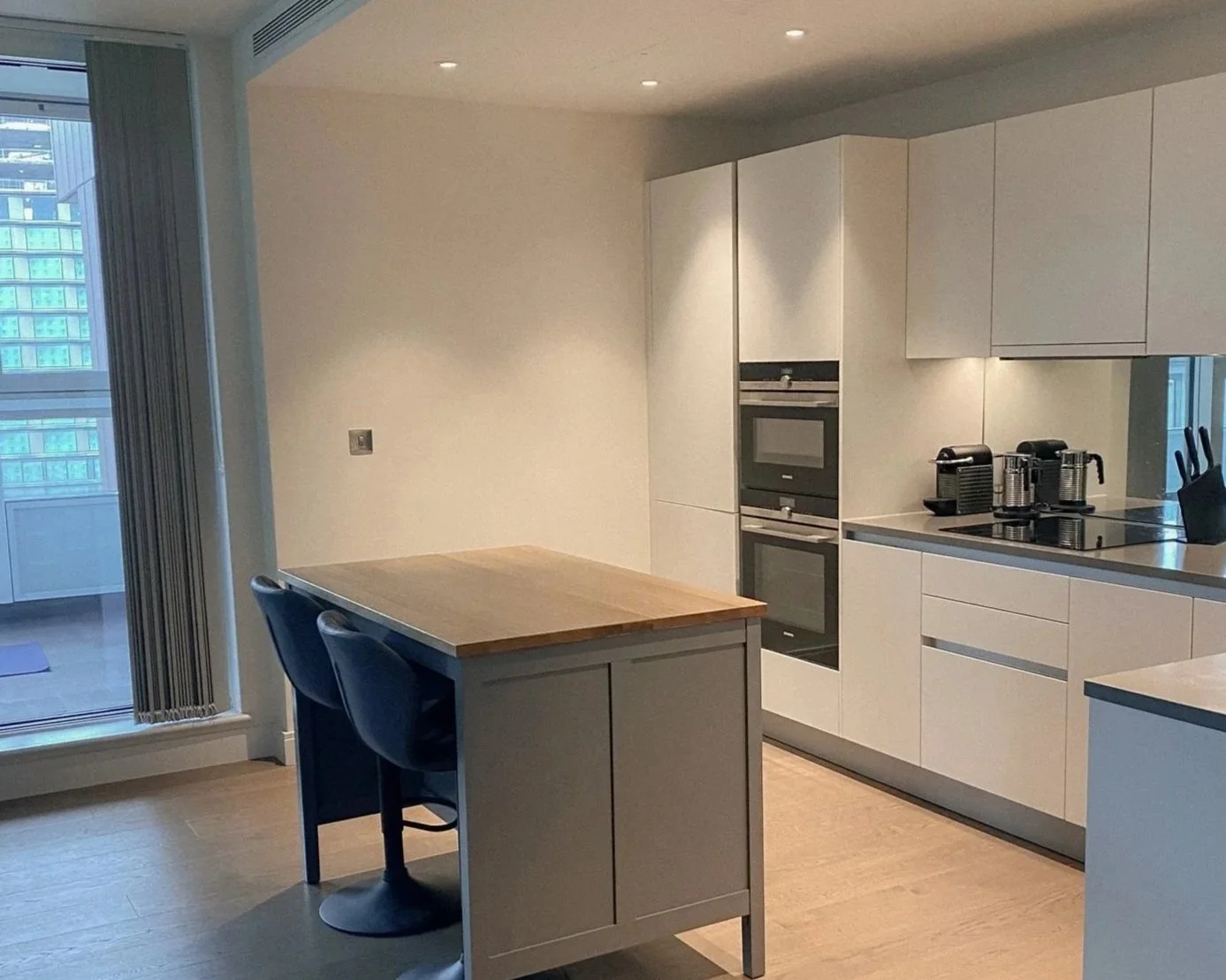
The kitchen often becomes the brightest, most grounded place in the home — naturally drawing in laptops, notebooks, and the subtle hum of daily work. With a few intentional choices, this blend can feel beautifully balanced:
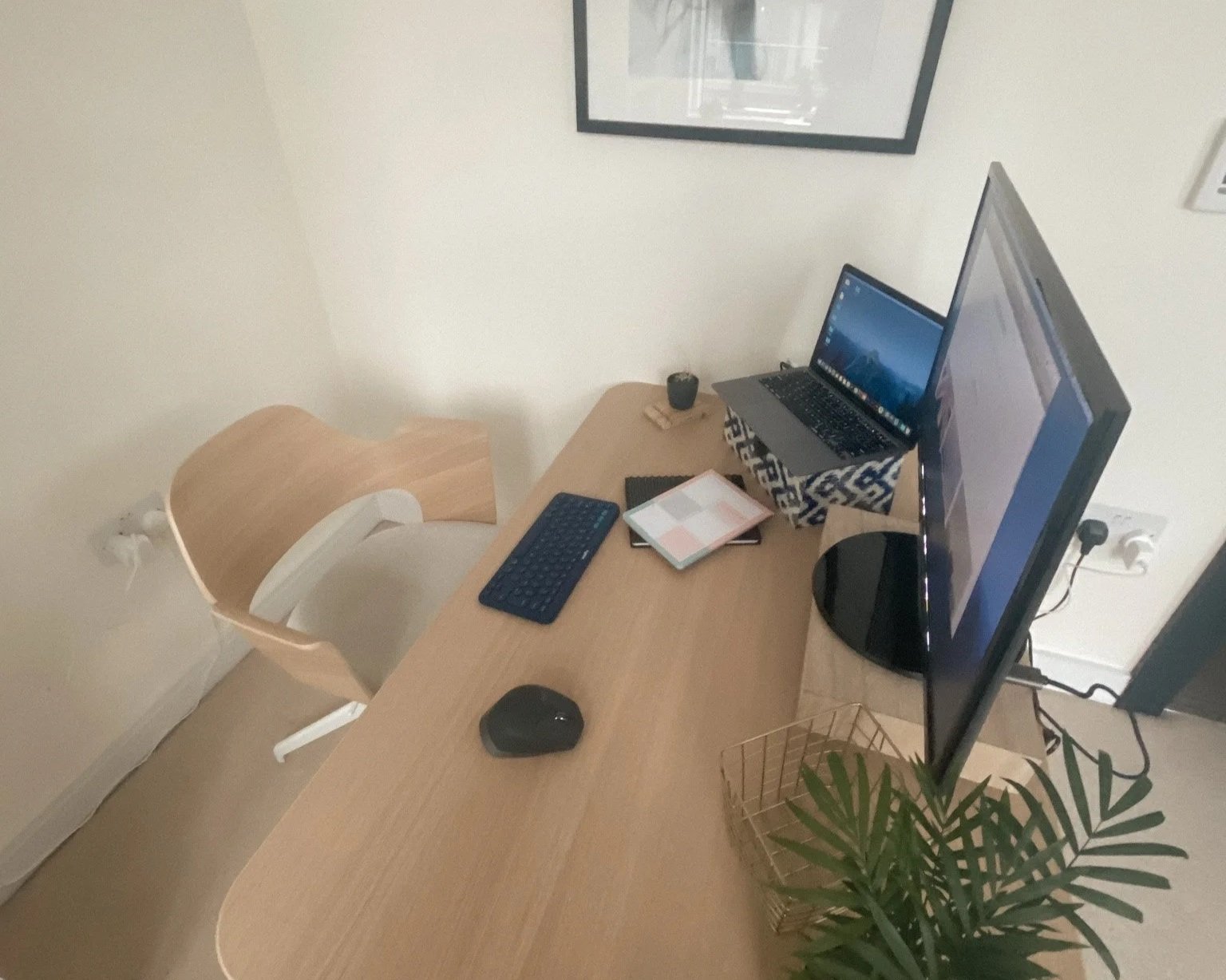
Define the workspace with softness
If your desk sits against a wall, a simple curtain or panel creates quick separation at the end of the day. It shifts the energy instantly.Use the island as a convertible workstation
A lightweight tabletop riser turns an island or dining table into an ergonomic desk, then disappears in seconds when you’re done.One “work box” to store it all
Chargers, pens, cables, notebooks — everything lives in a single container. It keeps visual noise low and resets the room to calm.Choose comfort over compromise
Add a slim lumbar cushion to your kitchen chair. Avoid bar stools (your back will thank you).
The Bedroom / Studio Office
When your room is both sanctuary and studio, boundaries matter. The goal is to create a workspace that holds focus during the day and then dissolves gently into evening mode — your own quiet zen place within the home.
Face the light, not the bed
Position your desk toward a window or light source. It shifts your mindset forward rather than inward.Use a soft divider for transition
A curtain, panel, or minimal screen creates a psychological shift from “work” to “rest.” IKEA poles + wires make this renter-friendly and unobtrusive.Consider a closet office
Wide built-ins can transform into micro work zones. Close the doors and your room returns to stillness.Fold away what you can
Murphy beds or slim fold-away frames free valuable floor space for daytime creativity.
The Kids’ Room / Play Space
Children don’t need endless rooms — they need rooms that evolve with their imagination. With a few thoughtful decisions, you can give them space to create, rest, and reset:
Think vertically
Lofted beds or small mezzanines open up floor space for play and movement.Create micro-worlds
A simple fabric tent becomes a room-within-a-room — a place to read, draw, or dream.Let beds disappear
Fold-away or slim-frame beds free up the “day zone” and help kids learn small rituals of tidiness.Design storage that hides the chaos
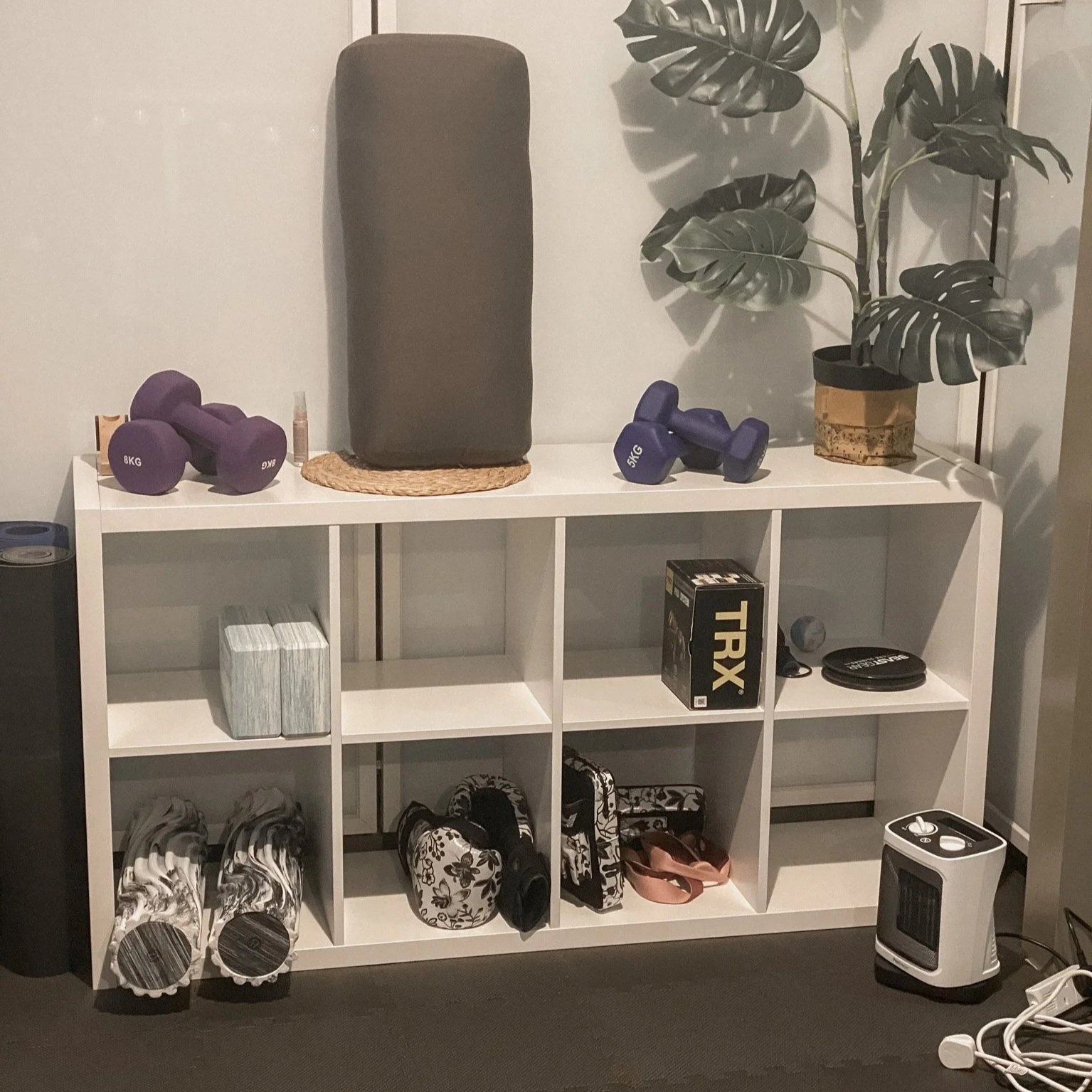
Closed cupboards and labelled boxes make end-of-day resets quick and calming.
Design with Intent. Live with Ease.
Multi-use spaces aren’t about asking one room to do everything — they’re about asking each room to do one thing well at a time.
When transitions feel effortless, your home becomes calmer. When objects have purpose, life feels lighter. And when design is intentional, even the smallest home can feel expansive.
This aligns closely with Order, Flow & Design — rooms that move at the pace your lifestyle requires.
And as seasons, routines and places change, your spaces will adapt with you — much like the rhythm of Monthly Diary · Travel, returning, evolving, expanding.