Turning references into rooms that feel cohesive, personal, lived-in.
Every renovation begins long before any wall is opened or paint is chosen. It starts in the space between an idea and a room — in references, fragments, screenshots, saved images and notes. The challenge is rarely finding inspiration. It is almost always shaping it, editing it, and turning that volume of imagery into one clear direction.
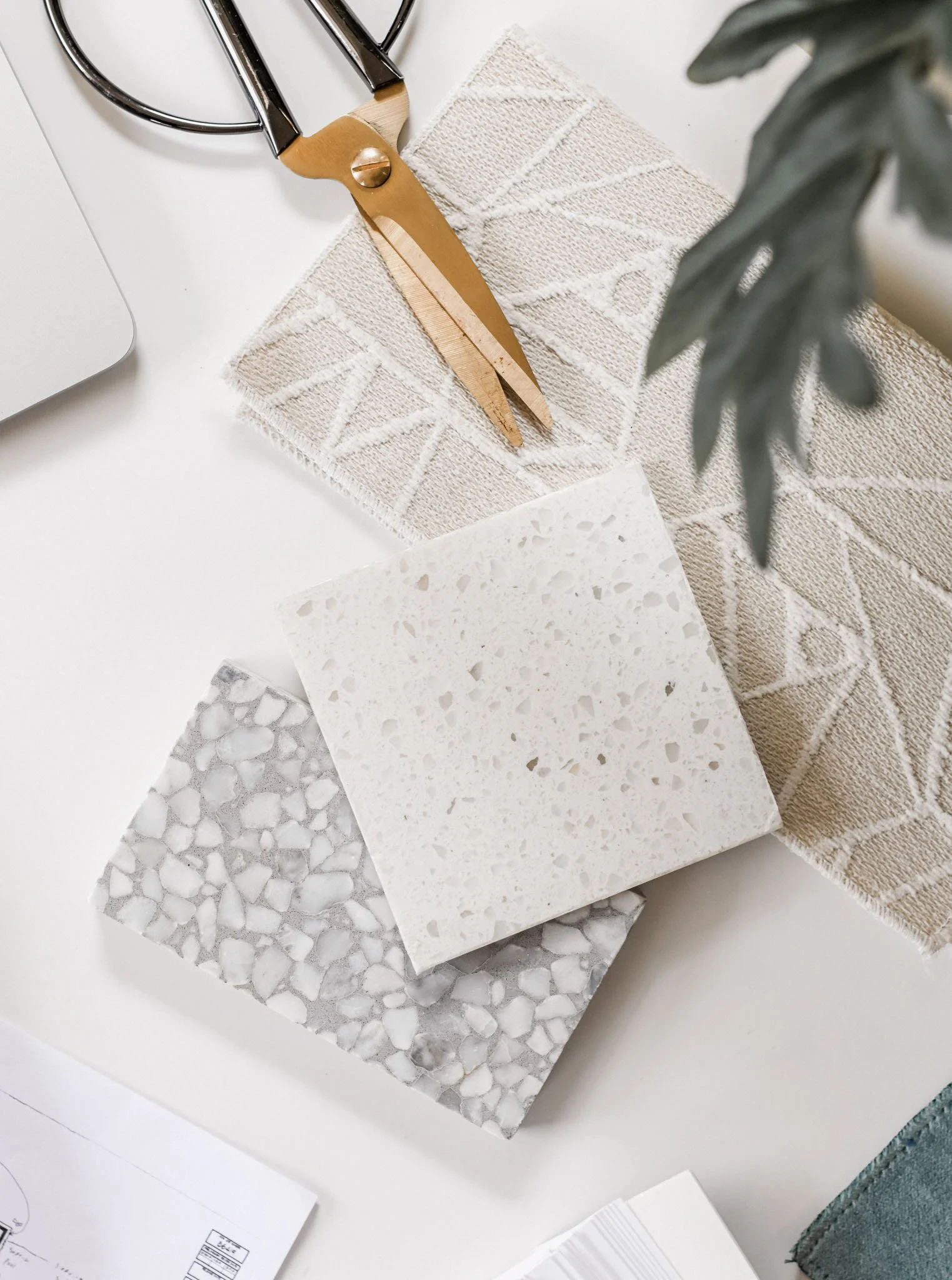
Sometimes there is very little to go on — a vague sense of how you want to feel in a space. Other times there is too much — an archive of styles, eras and colours that don’t yet belong together. In both cases, the work is the same: give your inspiration structure so it has somewhere to land.
Renovation becomes calmer when the reference stage is deliberate, not scattered. Ideas stop competing. They begin to align.
Why references matter more than mood
Inspiration is not a distraction from the “real work” of renovation. It is the work that allows everything else to move smoothly. A well-formed reference pool does three things: it clarifies what you actually respond to, it reveals patterns you may not have noticed, and it protects you from impulse decisions when the project becomes noisy.
Before a room is built, it exists as a language. Images, materials, colours and objects are vocabulary. Your job in the inspiration phase is to refine that language so it speaks clearly.
This is especially true when you are combining the new with the old — something Sourcing Vintage explores in depth. Vintage pieces, heirlooms and pre-loved finds can act as anchors in a moodboard, holding character and history while new elements are built around them. A single chair, lamp or cabinet can quietly dictate tone, scale and material direction.
Gathering widely, editing precisely
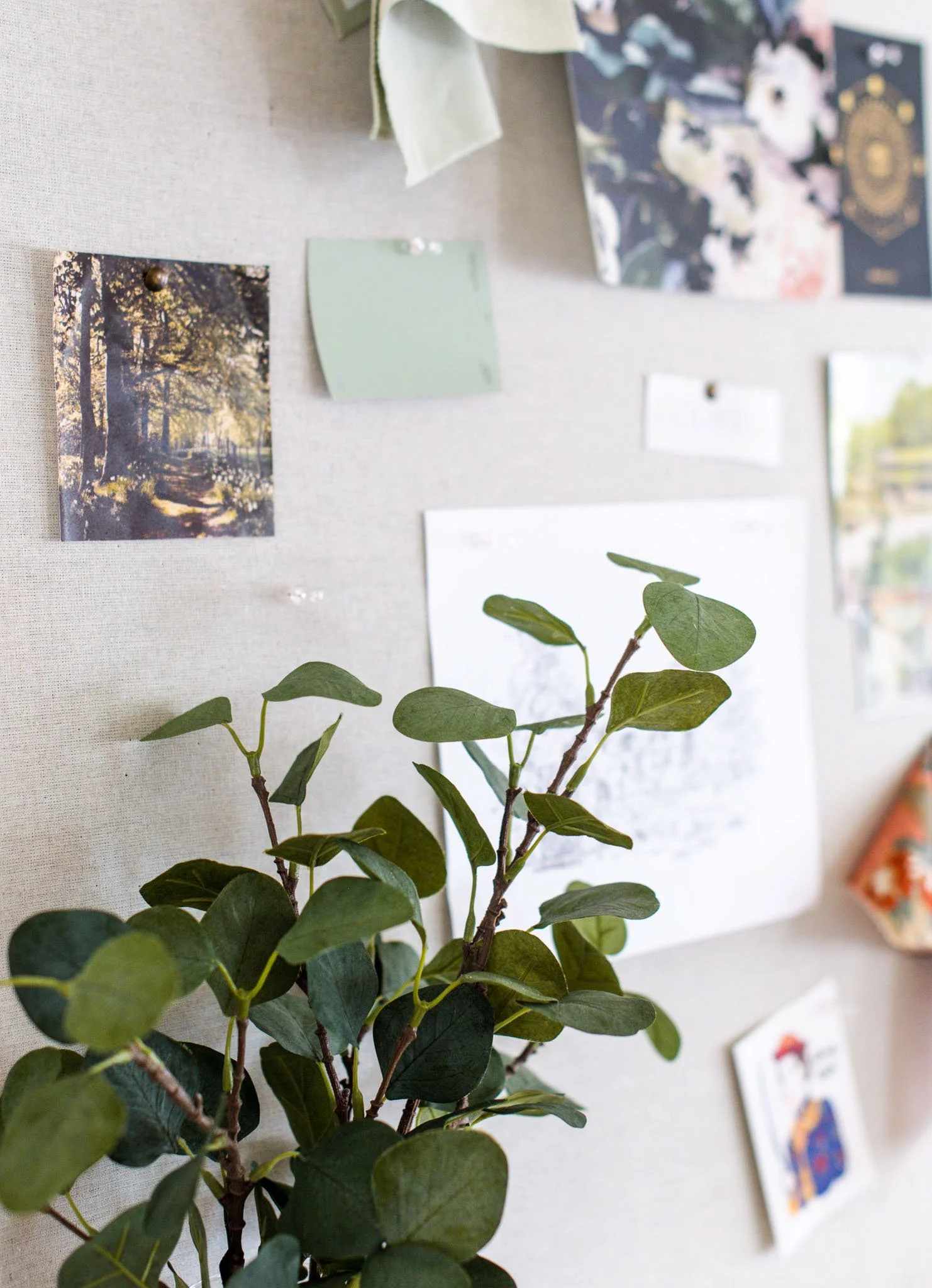
It is helpful to gather inspiration generously at first — from books, galleries, travel, hospitality spaces, architecture, everyday details. But the power lies in the edit. When everything you have saved is placed in one view — a board, a wall, a document — inconsistencies appear quickly. Certain images will feel like home; others will begin to fall away.
Instead of asking “Do I like this?”, begin asking:
Does this feel like the way I want to live?
Could I still love this in five or ten years?
Does it work with the constraints of this specific space?
Inspiration for renovation is not fantasy. It is aspirational, but grounded. It respects ceiling height, light direction, how you move, how you work, how you rest. Editing becomes the bridge between what looks beautiful online and what will function in your home.
Organising by feeling, not just style
A board of references is most useful when it communicates feeling, not just aesthetic. Rather than grouping images only by room type — kitchen, bedroom, hallway — consider grouping by atmosphere: calm, focused, social, intimate, bright, grounded.
Ask what each image does to the emotional temperature of the room. Does it slow things down? Does it energise? Does it invite lingering? This is where colour, material and proportion work together long before they become real.
Over time, you will notice recurring notes: similar tones, similar silhouettes, repeated materials. Those patterns are your design DNA for the project.
Colour, material and light as the backbone
When inspiration feels messy, returning to palette can simplify everything. If the colours in your reference images are fighting, the renovation will feel unsettled from the start. If they speak softly to one another, cohesion follows almost automatically.
Thinking back to Colour in Space, the palette you build for a renovation should support mood, not override it. Neutrals set the base, accent colours add nuance, and contrast is used intentionally rather than for shock. Materials deepen that story — timber, stone, linen, wool, metal — each shifting how light behaves in the room and how grounded it feels.
A strong renovation reference set usually answers three quiet questions:
What does the colour temperature feel like here?
Where does light want to land?
Which materials repeat throughout the home?
The goal is not perfection, but repetition with purpose.
From inspiration to language the contractor can use
A board or folder full of beautiful images is only half the work. For a renovation to run smoothly, inspiration needs to translate into something a contractor, joiner or decorator can clearly implement.
That might look like:
A concise palette page with key colours and materials
A small selection of reference photos that show layout and proportion
Notes on function for each room: how it will be used, by whom, at what times of day
The clearer your visual brief, the easier it is for professionals to advise on what’s possible and what might need adjustment. Inspiration becomes instruction, without losing its soul.
Let the process evolve with you
Inspiration is not gathered once and then frozen. As the renovation progresses, as life changes, as you travel or simply live with early decisions, the references can evolve. Some fall away. New ones arrive. The point is not to lock yourself into a fixed idea, but to maintain a coherent thread while allowing for small shifts.
Documenting this quiet evolution — the choices you made, the images you let go of, the spaces you adjusted — can be as meaningful as the finished rooms themselves. It becomes a kind of ongoing record of how you live and what you value over time, the way a monthly diary of travels and returns charts where you’ve been and what you’ve noticed. You leave, you gather, you refine, you return — to the home, to the board, to the next phase of the project.
In the end, bringing inspiration into renovation is not about copying what you’ve seen. It is about distilling the references that stay with you into a language only your space can speak. Cohesive, personal, lived-in — because it was built from ideas that genuinely belong to you.