Loft living, industrial reuse + the rise of adaptive city structures.
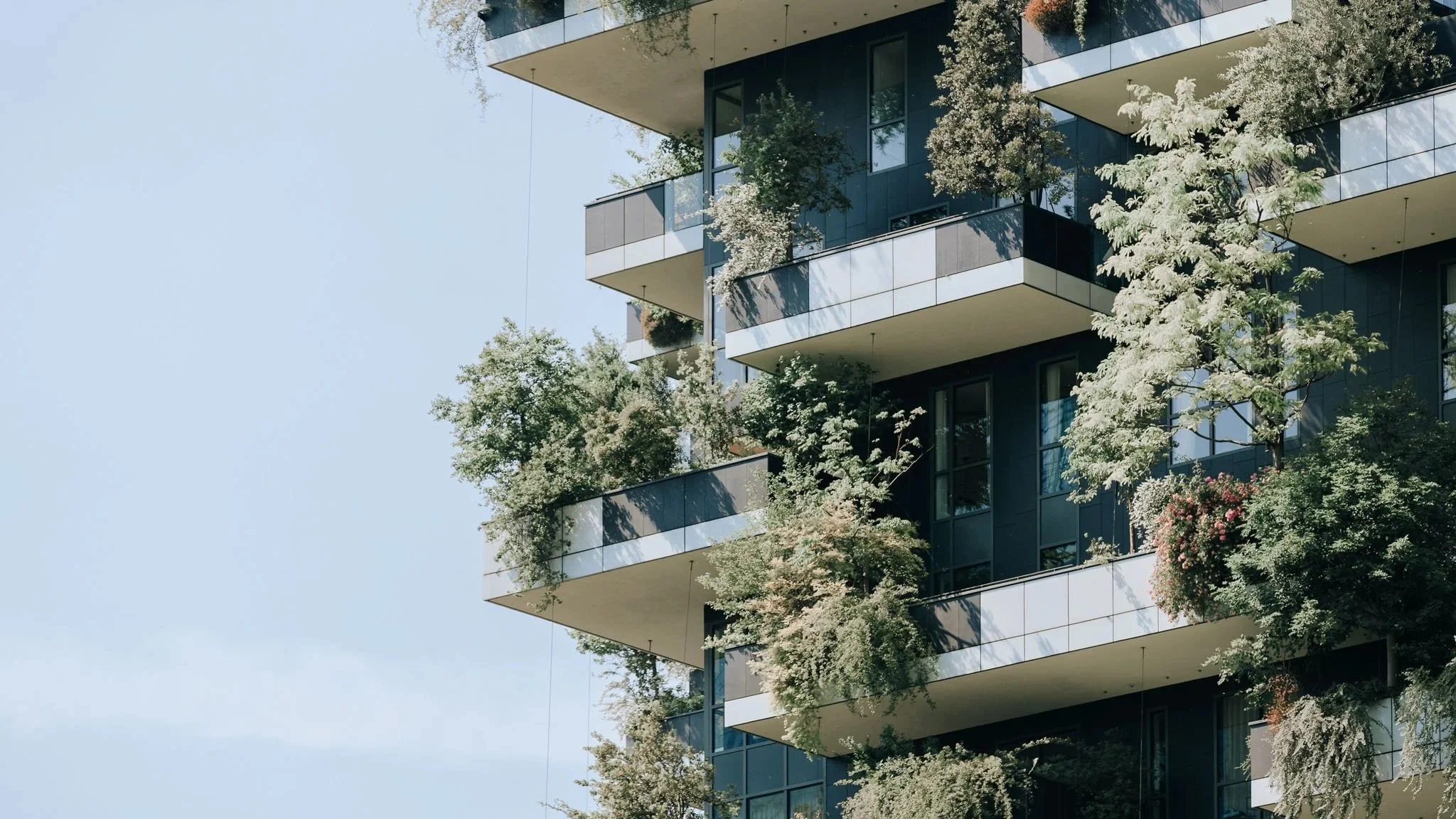
Urban Modern architecture sits at the intersection of industry, creativity, and contemporary living. What began as a practical solution — occupying abandoned factories and warehouse floors — evolved into one of the most recognisable global aesthetics: open-plan lofts, steel and brick, expressive scale, and a distinctly urban clarity.
This chapter explores how loft culture took shape, why it travelled, and how its design principles continue to influence city living today.
What defines Urban Modern architecture?
Urban Modern design blends industrial heritage with minimalist living. Think large windows, exposed columns, raw materials, and open volumes that feel spacious even when the footprint is small.
Common characteristics include:
High ceilings and unbroken sightlines
Polished concrete, raw brick, exposed timber or steel
Minimal internal partitions
Neutral palettes with sculptural, contemporary furnishings
Flexible layouts shaped by furniture rather than walls
It is architecture that prizes adaptability — a living space that feels both functional and expressive.
What is a “loft” in architectural terms?
Architecturally, a loft refers to an upper, unpartitioned floor of an industrial building. Converting these spaces into homes introduced a style defined by:
Expansive glazing
Big structural spans
Deep, open floorplates
A complete absence of traditional domestic rooms
While new-build “lofts” mimic the look, the originals were a byproduct of industrial structures repurposed for living.
How loft culture took root in New York
Loft living began in earnest in 1960s SoHo. After industrial decline and zoning restrictions, vast warehouse floors stood empty. Rents were low, conditions were rough, and artists — drawn to light, space, and affordability — moved in.
These early lofts were:
Cold, unheated, unregulated
Full of industrial remnants
Illegal to live in
Loved for their scale but lacking basic amenities
By 1971, after sustained advocacy, zoning laws changed. Legal live-work lofts sparked a cultural shift, turning former industrial districts into creative, experimental neighbourhoods. Developers worldwide soon followed.
Loft living became:
A design language
A cultural aspiration
A cornerstone of modern urban identity
The pros and cons of loft living
Pros
High ceilings and generous volume
Abundant natural light
Open-plan flexibility
Culturally vibrant neighbourhoods
A design-forward, expressive aesthetic
Cons
Limited acoustic and visual privacy
High heating/cooling costs
Sparse storage
Minimal built-in amenities
Higher rents in regenerated areas
Lofts are ideal for flexibility, creativity, and atmosphere — less ideal for households needing structured rooms or quiet separation.
How to get a loft-like aesthetic (without living in one)
You can channel the Urban Modern style at home through:
Opening up space
Remove unnecessary partitions and allow furniture to shape zones.
Using interior glazing
Steel-framed doors or full-height glass partitions create separation without losing light.
Choosing industrial-inspired lighting
Exposed bulbs, metal fixtures, and visible conduit align with the loft palette.
Letting art drive the room
Oversized prints, bold colour, or sculptural pieces bring that Soho-in-the-70s creative energy.
Embracing honest materials
Raw timber, concrete, steel, and brick — or well-designed imitations — achieve the tone without structural intervention.
A related chapter you may enjoy
If you're exploring how historic warehouse buildings evolved into modern homes, you may appreciate Warehouse + Industrial — a chapter tracing the shift from factories to warm, lived-in spaces.
Where to Go Next
This chapter forms part of Series 3 — Architecture · A Beginner’s Guide. Explore the linked chapters to understand how America and Britain each shaped the architectural languages that influence today’s city homes.