Brick, steel, patina — a history of factories turned into homes.
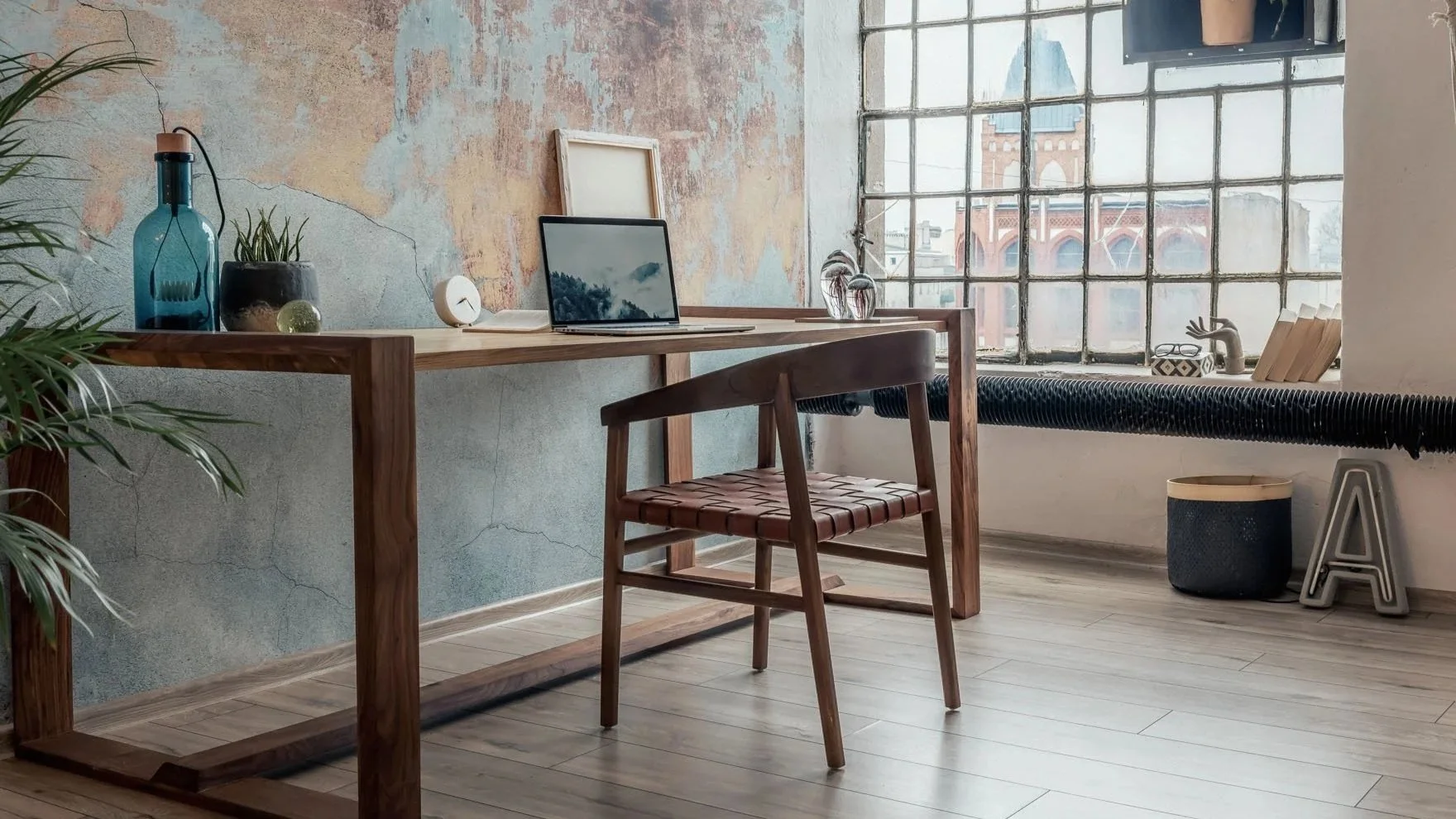
Warehouse chic is one of those architecture styles that looks great in design magazines and on Instagram, but can sometimes come across as cold or empty in real life.
There’s a fine line between the chic exposed brick and steel piping ruggedness you’re picturing in your mind, and an overplayed theme that feels too deliberate.
The best place to begin is with its origins.
What is industrial warehouse architecture — and where did it come from?
Industrial buildings were built with function over form for centuries. They weren’t designed to look beautiful — just to work efficiently, safely, and economically.
Ironically, that functional approach is exactly what makes these spaces so visually compelling today.
In the 1700s through the early 20th century:
Huge windows maximised natural light before electricity
Isolated staircases improved fire safety
Brick, steel and concrete allowed for durability
Ornamentation was minimal or non-existent
These practical choices are now the defining traits of industrial chic.
Many structures outlived their original purpose. By the 1960s and 1970s, abandoned factories in cities like New York and London were rediscovered. Their grit, scale, and openness created the perfect raw backdrop for artists, creatives, and eventually developers — slowly evolving into the industrial loft culture we know today.
If you're interested in how these lofty, open spaces shaped modern urban living, you may also enjoy Urban Modern Architecture — a chapter exploring loft culture and contemporary city apartments.
The classic features of industrial chic
Exposed brickwork
Once purely utilitarian, exposed brick became the defining texture of warehouse conversions. Its warmth and patina balance the harsher industrial elements.
Concrete walls
Unpainted concrete offers neutrality, texture, and honesty — an architectural material that doesn’t try to hide what it is.
Giant windows
Floor-to-ceiling or wall-spanning windows were originally designed for light; today, they shape the signature airy quality of industrial interiors.
High ceilings
Factories required volume for machinery. Now, that same height gives converted homes a sense of drama, light, and spatial freedom.
Lofted spaces
Mezzanines and upper sleeping platforms take advantage of vertical height — one of the most recognisable hallmarks of warehouse conversions.
Exposed pipes + ductwork
A reminder of the building’s industrial life, these elements bring authenticity, rhythm, and a sculptural quality to the interior.
How to make warehouse chic work for you
Embrace high ceilings
If possible, keep vertical space open. Incorporate skylights, clerestory windows, or mezzanines to maximise natural light and flow.
Keep the palette neutral
Industrial chic thrives on greys, blacks, whites, natural brick, and metal accents. Add colour cautiously through artwork or textiles.
Combine wood + metal
The warmth of timber balances the coolness of steel. This contrast is essential in preventing industrial spaces from feeling sterile.
Where this chapter sits in the wider series
This guide forms part of Series 3 — Architecture · A Beginner’s Guide.
For related styles that share industrial or adaptive reuse principles:
Mid-Century Modern Architecture — a movement that embraced steel, concrete, and glass for human-centred modern living
American Architecture — for the thread connecting early factories to the development of modern industrial aesthetics
British Period Architecture — to explore how Victorian and Edwardian industrialisation influenced everyday housing
And if you want the full circle, this chapter pairs especially well with Scandinavian Architecture (light, clarity, adaptive materials).