Where to Begin
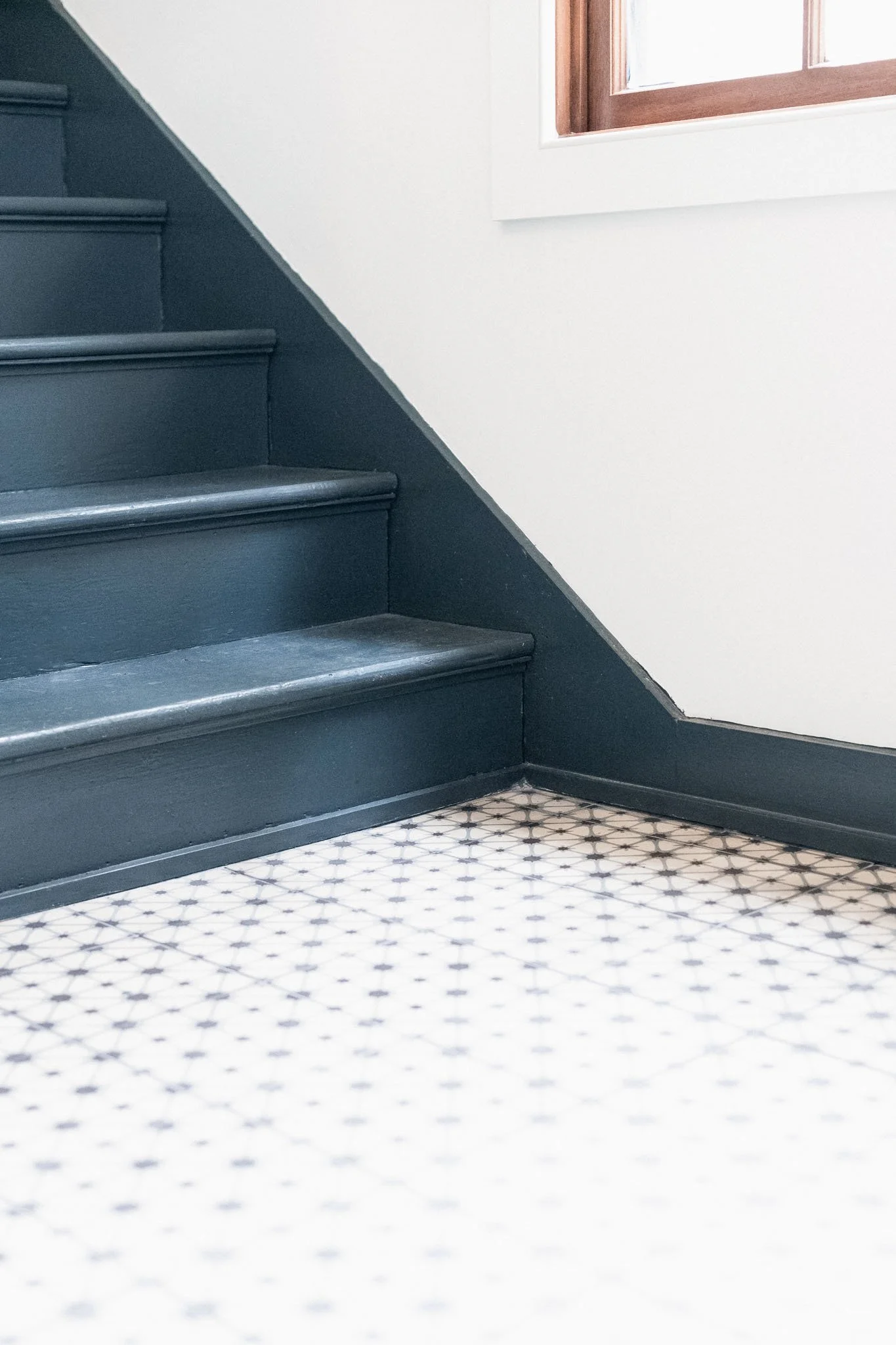
A starting point for renters, owners and new spaces finding their shape.
Moving into a new space is possibility in physical form. Keys in hand, a blank floor plan, silence that feels like potential rather than emptiness. And yet, the first days often carry a different texture — quirks you didn’t notice, colours that sit louder than expected, rooms that don’t hold you quite how you hoped.
Foundational design begins before decoration. It asks how you live, how you move, what you need from a room beyond appearance. When function, light and layout support rhythm, everything placed afterwards feels intentional rather than compensatory. This is where Simple, Functional, Personal becomes less a style and more a compass: a home should reflect the life lived within it, not the life imagined for later.
Whether renting or owning, beginning well matters more than finishing quickly. Slow design holds longer. Clarity grows gradually. A space becomes yours when shaped thoughtfully — not rushed.
Before changing walls, fixtures or finishes
Rental agreements vary, and permissions are never universal.
Confirm approval in writing before adjusting fixtures, paint or permanent surfaces, and choose reversible options when contract terms are unclear. Thoughtful choices reduce future cost and keep transitions clean, especially for short-term living.
This isn’t limitation — it’s pacing. Owners may move more freely, but foundations remain the same: begin gently, observe, adjust.
A home becomes yours through layering, not overhaul
Early design is more atmosphere than renovation.
Walls may remain unchanged while tone softens, identity settles, and furniture begins to find its place. Temporary wallpaper, a single feature wall, or a vinyl countertop overlay can shift a room quietly and without commitment.
Art anchors quickly. Frames hung if permitted, or leaned across shelves and sideboards when drilling isn’t an option. Negative space becomes intentional rather than incomplete. Fewer objects chosen well often feel more like home than many chosen quickly to fill silence. Belonging expands one gesture at a time.
Furniture that adapts is furniture that endures
Pieces worth keeping are modular, durable, and light enough to move through future floor plans. Renting is not temporary — it is flexible. A sofa that reconfigures, a dining table that fits differing rooms, seating that softens a space without overwhelming it.
Storage brings order. Lighting shapes mood. Flow determines comfort. This is where Order, Flow & Design meets lived experience — rooms should guide movement rather than restrict it. A walkway free of obstruction, a desk turned toward a window rather than a wall, a rug that anchors rather than interrupts. Small shifts become spatial ease.
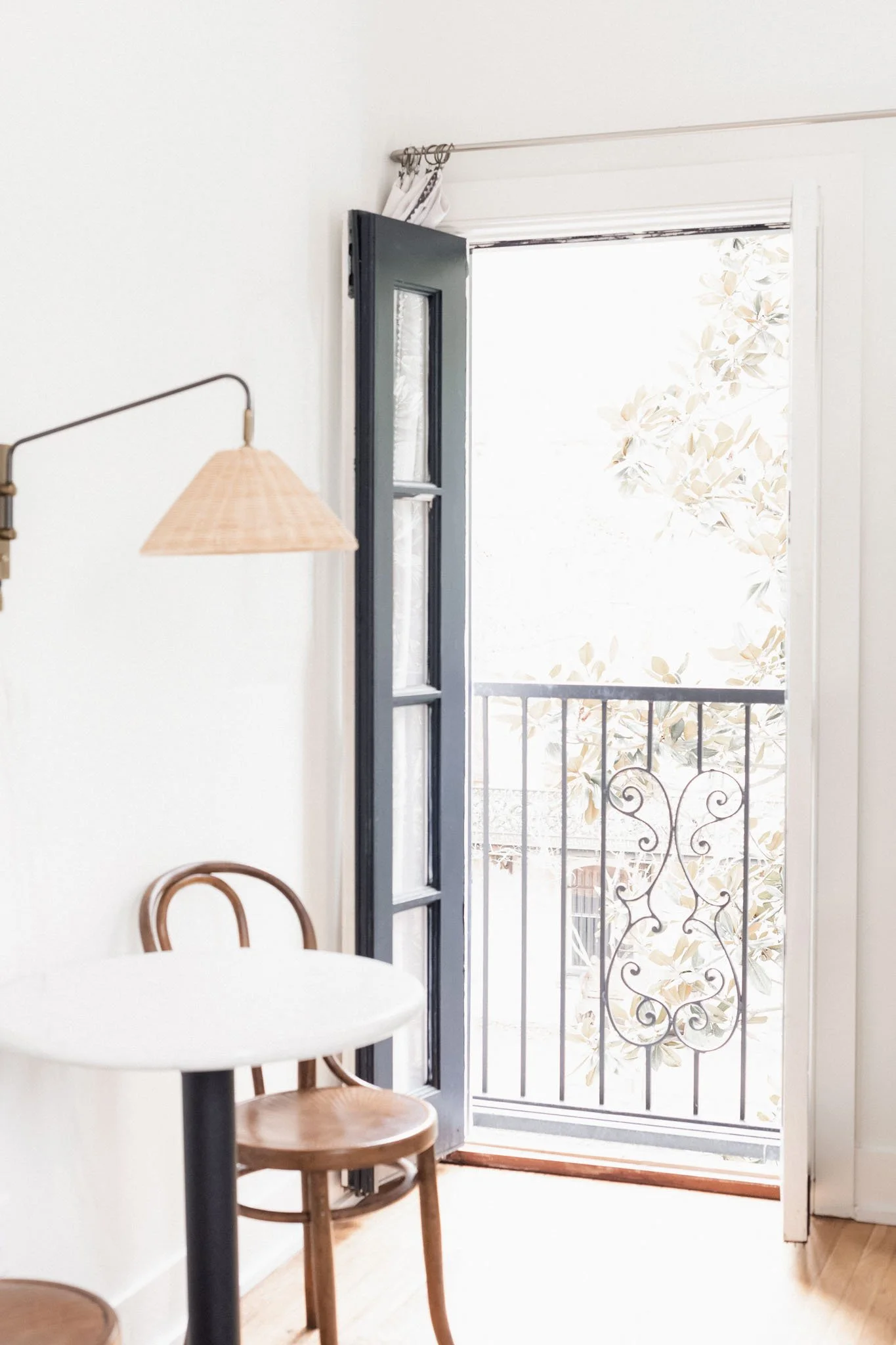
Materials, textiles + subtle ownership
Flooring can be covered rather than replaced. Rugs absorb echo, disguise wear, add warmth and grounding. Natural fibres — linen, cotton, wool — change the emotional temperature of a room more than paint often can. Cabinet handles swapped, gently stored originals reserved for move-out; identity layered without permanence.
Accessories finish feeling, not just aesthetics.
Pillows that reflect palette, considered plants that restore air and mood, a lamp that warms evening light — home begins in details, not in renovation.
Let belonging arrive slowly
You do not need to complete a home to live well within it.
Foundations are felt long before rooms are finished. Begin quietly. Shape gradually. Let space and life learn one another.
A move isn’t just relocation — it is reframing. It shifts what you prioritise, where you rest, what earns place on a surface. As seasons change, travel expands perspective, and routines evolve, your environment will evolve with you.
Here, Monthly Diary · Travel becomes less about destination and more about return — the awareness that space can hold you differently after time away.
A home does not need to be finished to feel like yours.
It only needs patience, rhythm, and intention.